

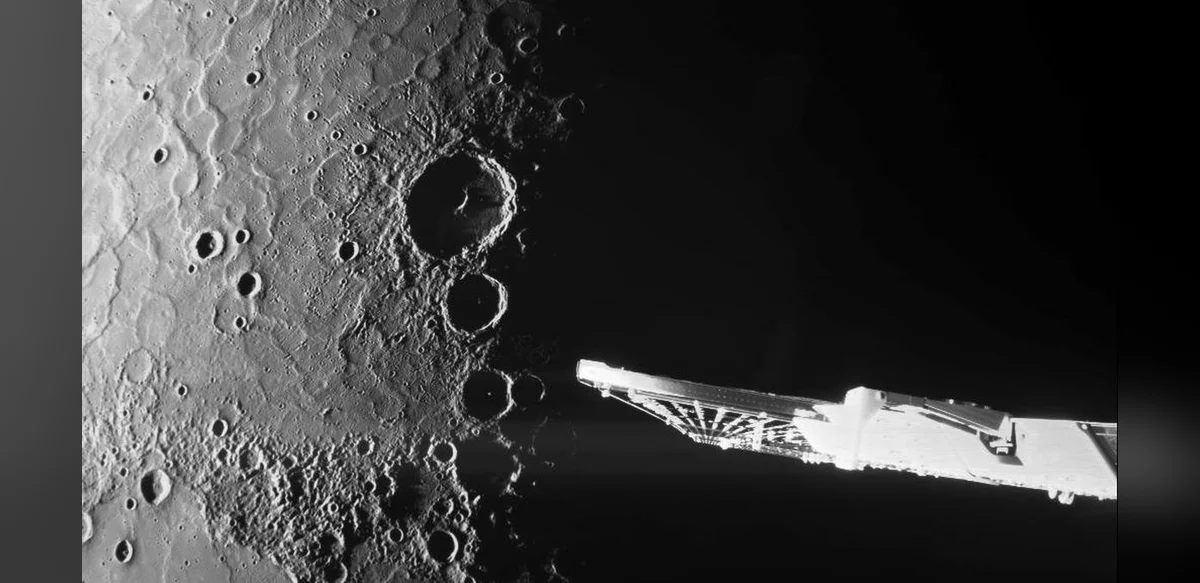
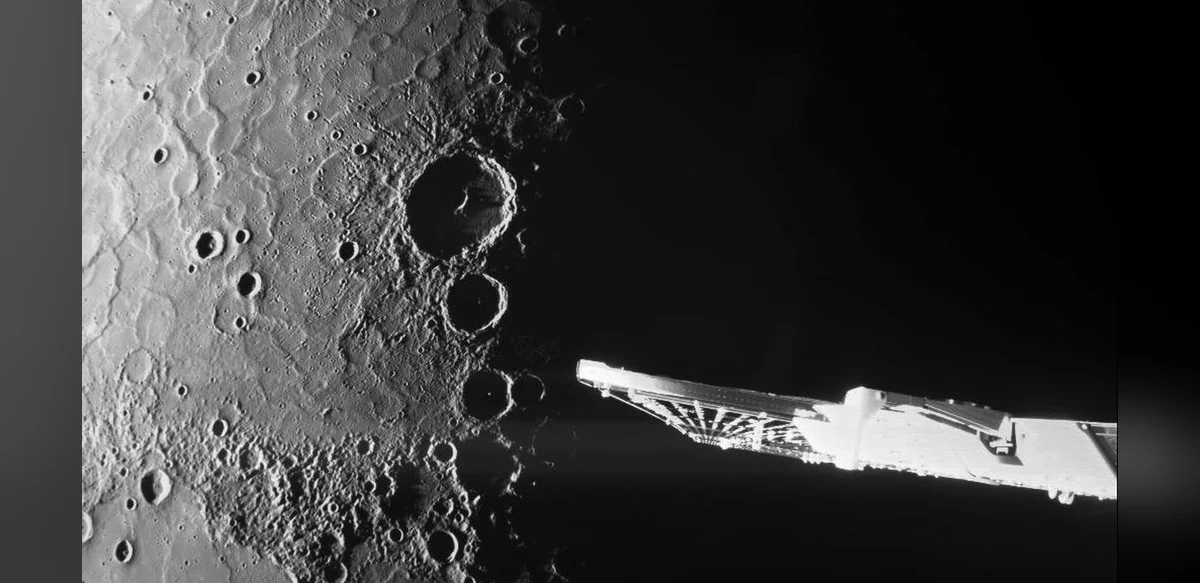
A collaborative spacecraft effort between Japan and Europe has successfully initiated its orbital phase around Mercury. The arrival marks a significant milestone in planetary exploration as the probe begins its primary scientific operations.
Reports indicate that a small technical anomaly occurred during the maneuver. Mission controllers are monitoring the situation closely and have stated that the issue does not pose an immediate threat to the overall objectives.
The spacecraft is designed to investigate several longstanding mysteries surrounding the innermost planet. One key focus involves understanding the origins and characteristics of Mercury’s magnetic field. Scientists hope the data collected will shed light on how such a field can exist on a world so close to the Sun.
Another area of interest centers on the presence of ice within polar craters. Despite the extreme temperatures on the sunlit side, these shadowed regions may preserve frozen water. Researchers aim to determine the composition and stability of these deposits through detailed measurements.
The mission will also examine unusual surface features known as hollows. These depressions appear across Mercury and their formation mechanisms remain unclear. Observations from orbit are expected to provide new insights into the geological processes at work.
Preparations for the orbital phase involved precise trajectory adjustments over several years. The journey included multiple flybys of Earth, Venus, and Mercury itself to achieve the correct path. Each maneuver contributed to refining the spacecraft’s speed and direction.
Once in orbit, the probe will conduct a series of experiments using onboard instruments. These tools include spectrometers, magnetometers, and cameras capable of capturing high-resolution images. Data transmission to Earth will occur regularly to allow real-time analysis by teams on the ground.
The scientific community views this mission as an opportunity to advance knowledge of terrestrial planets. Mercury’s unique environment offers clues about the early solar system and planetary formation. Findings could influence models used to study other celestial bodies.
Ground teams continue to assess the reported glitch and implement any necessary corrections. Redundancy systems on the spacecraft are designed to handle such events without disrupting core functions. Updates on the status will be shared as more information becomes available.
Public interest in the mission remains high due to the planet’s relative lack of prior exploration. Previous visits provided limited data, making this extended orbital stay particularly valuable. The extended timeline allows for comprehensive coverage of seasonal and orbital variations.
Educational outreach efforts accompany the mission to engage students and enthusiasts worldwide. Resources explaining the spacecraft’s instruments and goals are available through official channels. These initiatives aim to foster greater appreciation for space science.
Future phases of the mission will build upon initial observations. Extended data collection periods are planned to capture variations over time. Analysts will compare results with existing theories to refine understanding of Mercury’s interior and surface.
The collaborative nature of the project highlights international cooperation in space endeavors. Shared expertise and resources enable complex missions that individual agencies might not undertake alone. This partnership model has proven effective in previous joint ventures.
Overall, the start of orbital operations represents progress toward answering fundamental questions about Mercury. Continued monitoring and data analysis will determine the full impact of the mission in the coming months and years.





Comment
0Upholding journalistic discourse. No registration required.
No comments yet. Share your perspective!