

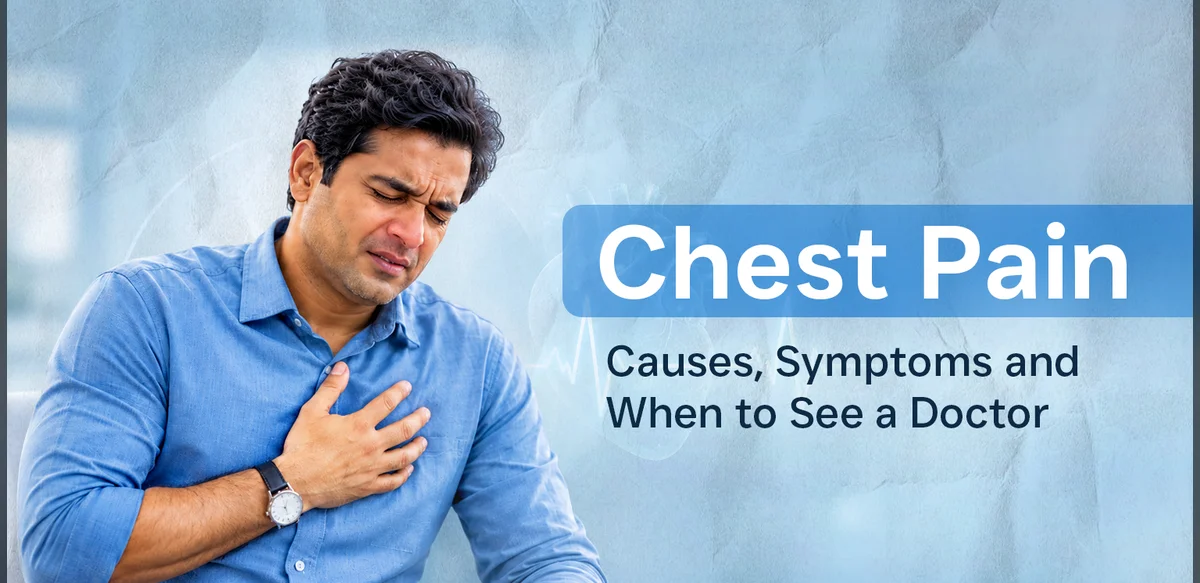
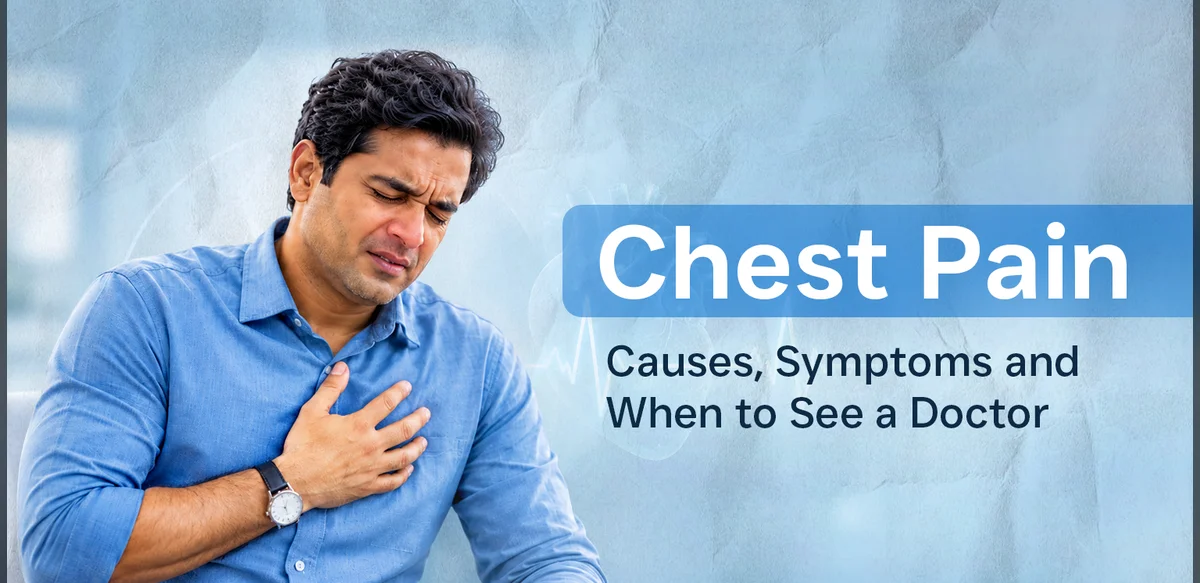
Chest pain often triggers immediate worry due to its potential link to serious conditions. Individuals may describe the sensation as squeezing, burning, or sharp, prompting questions about underlying heart issues. While such discomfort can stem from cardiac problems, it may also arise from other sources including digestive troubles or muscle strain.
Common causes include problems with the heart such as reduced blood flow to the organ. Other possibilities involve acid reflux, inflammation in the chest wall, or even anxiety-related responses. Each case requires careful evaluation to determine the exact trigger.
Symptoms accompanying chest pain vary widely. Some people report shortness of breath, sweating, or nausea. Others experience pain that spreads to the arms, neck, or jaw. The intensity and duration provide important clues for assessment.
Medical professionals recommend seeking immediate attention if pain feels crushing or occurs with dizziness. Persistent discomfort lasting more than a few minutes also warrants prompt care. Early intervention can make a significant difference in outcomes.
Diagnosis typically begins with a detailed history and physical examination. Tests such as electrocardiograms or blood work help identify cardiac involvement. Imaging studies may follow to rule out other explanations.
Treatment depends on the identified cause. Heart-related issues might involve medications to improve blood flow or procedures to restore circulation. Non-cardiac sources could require lifestyle adjustments or targeted therapies for digestion or inflammation.
Prevention focuses on maintaining overall wellness through balanced nutrition, regular activity, and stress management. Avoiding tobacco and monitoring blood pressure contribute to reduced risk. Regular check-ups allow for early detection of potential problems.
Public awareness plays a key role in encouraging timely medical consultation. Understanding that chest pain does not always indicate a heart attack helps reduce unnecessary panic while promoting appropriate responses. Education campaigns emphasize listening to bodily signals.
Research continues to refine approaches to evaluating chest discomfort. Advances in diagnostic tools offer greater precision in distinguishing between urgent and less critical situations. Patients benefit from these developments through improved accuracy in care plans.
In summary, chest pain deserves attention but benefits from a measured response guided by facts. Consulting qualified healthcare providers ensures proper assessment and management tailored to individual circumstances. Awareness and preparedness remain essential for handling such experiences effectively.





Comment
0Upholding journalistic discourse. No registration required.
No comments yet. Share your perspective!