

The conclusion of the COP31 climate conference ended without agreement after participating nations rejected the proposed final text. The document lacked any reference to fossil fuels, drawing widespread criticism from multiple governments present at the event. Several countries voiced strong objections to the outcome, highlighting what they viewed as insufficient progress on key environmental issues.
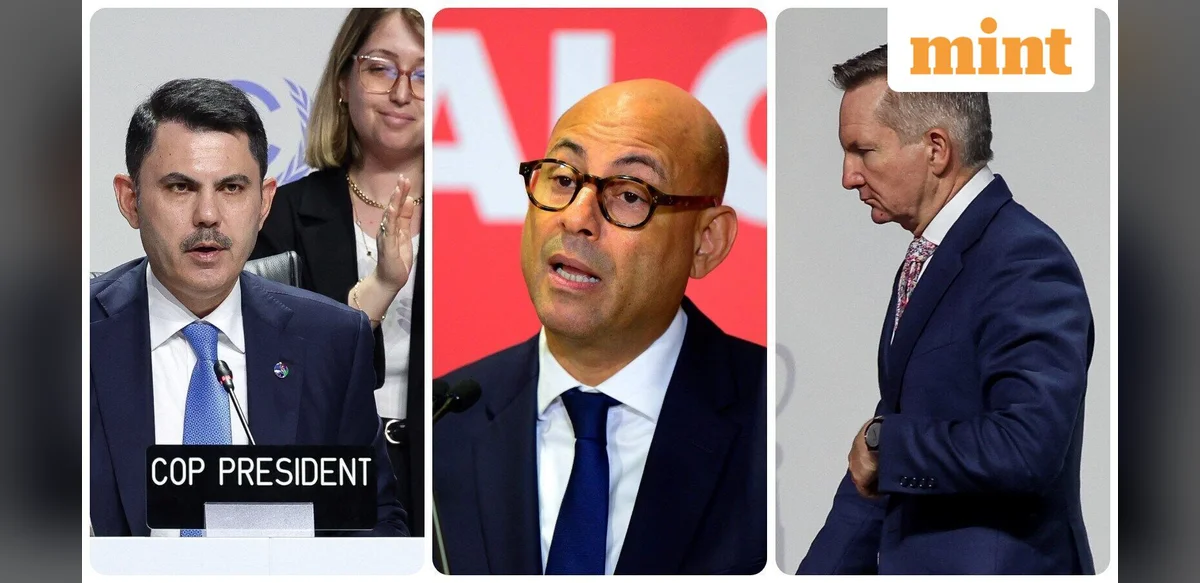
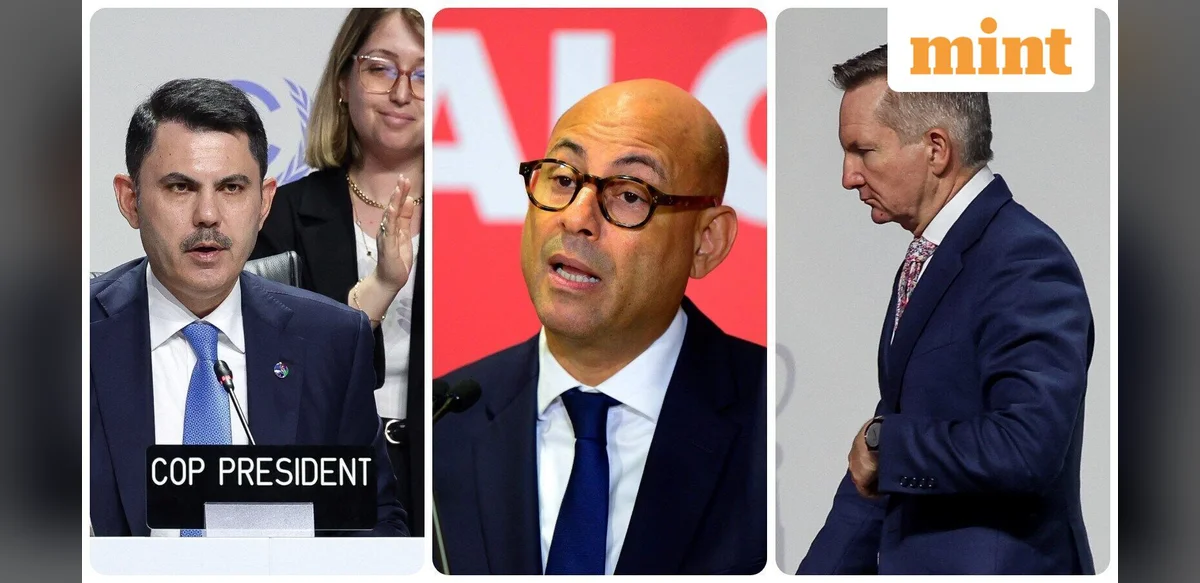
Turkey’s conference president, Murat Kurum, addressed the closing plenary session directly. He stated that no further action was possible and that all available options had been explored. Kurum indicated he would not introduce any revised version of the text for consideration by the assembly.
The absence of specific language on fossil fuels formed the central point of contention. Nations expressed disappointment that the deal failed to address this aspect, which many considered essential for meaningful climate action. The rejection marked a significant setback for the talks, leaving the conference without a formal conclusion.
Discussions throughout the event had focused on various aspects of global environmental policy. However, the final proposal did not meet the expectations of a broad range of participants. This led to the decision by several delegations to withhold support for the document as presented.
The proceedings concluded with the president’s remarks underscoring the limits of what could be achieved under the circumstances. No additional proposals were advanced following the plenary statements. The outcome reflects the challenges in reaching consensus on complex international environmental matters.
Observers noted the importance of the fossil fuel reference in prior negotiations. Its omission in the final text contributed directly to the lack of approval. The conference thus ended without the adoption of a new agreement, highlighting divisions among the involved parties.
Further details on individual country positions emerged during the session. The collective response indicated that the proposed deal did not align with the priorities of those who opposed it. This situation prevented the advancement of any alternative text at the closing stage.





Comment
0Upholding journalistic discourse. No registration required.
No comments yet. Share your perspective!