

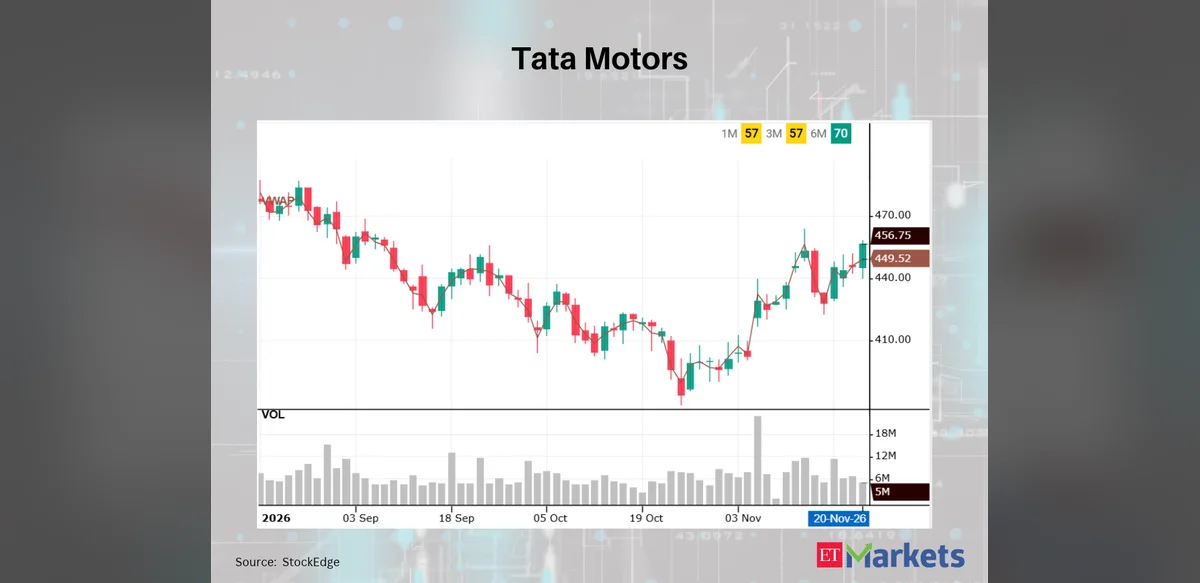
When the closing price of a share exceeds its volume-weighted average price, the stock has finished the session higher than the average level at which it traded during the day, with greater emphasis placed on prices accompanied by larger volumes. This benchmark helps market participants gauge whether buying or selling pressure dominated at key price points.
APL Apollo Tubes was listed among three equities that achieved this outcome in the most recent session. The volume-weighted average price calculation incorporates both price levels and the number of shares exchanged at each level, producing a single reference figure that reflects actual trading activity rather than a simple arithmetic mean.
Traders often monitor this indicator because it provides insight into the efficiency of price discovery throughout the trading day. A close above the benchmark can suggest that demand was sufficient to lift the price despite periods of heavier selling. Conversely, finishes below the line may indicate that supply outweighed buying interest at higher levels.
Market observers note that the metric is particularly relevant for institutional participants who seek to execute large orders without unduly influencing prices. By comparing execution prices to the daily volume-weighted average, portfolio managers can assess whether their trades occurred at favorable or unfavorable points relative to overall activity.
The concept applies across equity markets and is calculated using intraday data feeds that aggregate price and volume information at regular intervals. At the end of the session, the cumulative total of price multiplied by volume is divided by the total volume to arrive at the final figure.
For individual investors, awareness of this benchmark can aid in understanding daily price movements beyond headline percentage changes. Stocks that close above the line may attract follow-up attention from momentum-oriented strategies, while those finishing below could prompt reassessment of short-term positions.
In the broader context of Indian equity markets, such occurrences are tracked as part of routine technical analysis. They do not by themselves signal long-term trends but contribute to the daily narrative of which names experienced relatively stronger demand.
Analysts emphasize that the volume-weighted average price remains a descriptive tool rather than a predictive one. Its value lies in summarizing the day’s trading dynamics in a single comparable number that accounts for liquidity at different price points.
Market participants continue to reference this measure when reviewing session results, especially for mid-cap and large-cap names where volume data is readily available and reliable. The three stocks that closed above their respective benchmarks, including APL Apollo Tubes, illustrate how the indicator distinguishes price performance on a volume-adjusted basis.
Overall, the volume-weighted average price offers a transparent method for evaluating whether a stock’s final quote fairly represents the weighted consensus of buyers and sellers during the trading period. Its continued use underscores the importance of volume in interpreting price action across equity markets.





Comment
0Upholding journalistic discourse. No registration required.
No comments yet. Share your perspective!