

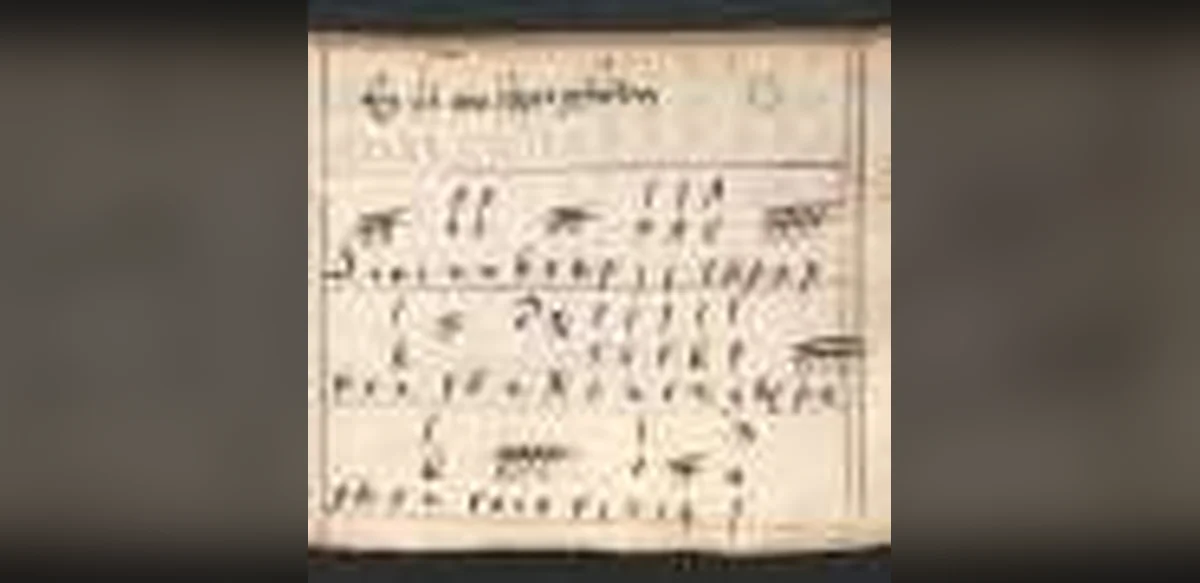
What appears to modern eyes as an intricate series of symbols actually provides entry into a vibrant realm of past musical traditions known as German lute tablature. This specialized system of notation was created for the Renaissance lute and captures a wide array of dances songs and compositions that enjoyed great popularity around five centuries ago. Researchers at the University of Bayreuth have joined an interdisciplinary group of specialists to convert these historical materials into accessible digital formats. The resulting scholarly edition platform allows users to both read and hear the preserved works restoring their original character for contemporary audiences.
The project focuses on transforming obscure notations into clear modern representations while maintaining historical accuracy. By digitizing the sources the team enables broader access for scholars students and enthusiasts interested in early music. The platform incorporates tools that convert the tablature into standard scores and generate audio renditions demonstrating how the pieces might have sounded during their era. This approach bridges the gap between ancient manuscripts and present day technology without altering the core content of the originals.
German lute tablature served as a primary method for documenting music intended for the lute a stringed instrument central to Renaissance culture. Its unique symbols differ significantly from contemporary staff notation making it challenging for untrained readers to interpret. The digital edition addresses this barrier by offering layered views that include the original symbols alongside transcriptions and sound files. Such features support detailed study and performance preparation.
The initiative underscores the value of collaborative efforts across fields including musicology history and computer science. Experts contribute their knowledge to ensure the platform meets rigorous academic standards while remaining user friendly. As more sources are incorporated the collection grows offering an expanding resource for exploring musical heritage from the period. The work highlights how digital methods can safeguard and disseminate cultural artifacts that might otherwise remain difficult to access.
Users of the platform can navigate through various pieces selecting options to view notations listen to performances or examine contextual information. This multifaceted design encourages both casual exploration and in depth research. By making the music audible the project revives compositions that have not been widely performed in recent times allowing new generations to appreciate their melodic and rhythmic qualities.
Overall the effort at the University of Bayreuth represents a significant step in preserving and presenting early musical sources. The digital scholarly edition stands as a model for similar undertakings aimed at other historical notations. Through careful digitization and presentation the team ensures that the rich tradition of German lute tablature continues to inform and inspire long into the future.





Comment
0Upholding journalistic discourse. No registration required.
No comments yet. Share your perspective!