

Global brands shift from Bangladesh to India
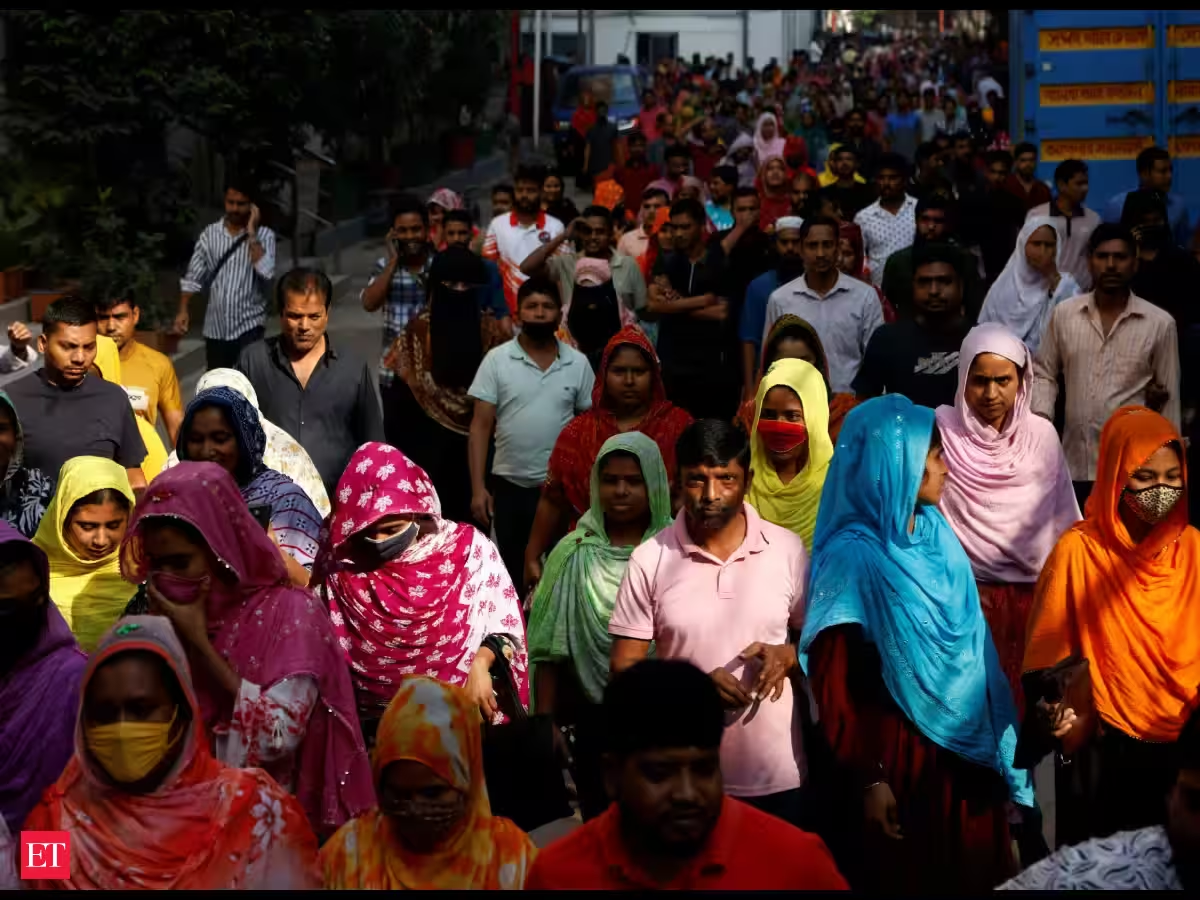
DHAKA: Global fashion retailers including Zara and H&M shifted nearly a tenth of their monthly orders from Bangladesh to other Asian manufacturing hubs in the first half of November, as labour unrest disrupted production and rising costs eroded the country's competitive edge, three factory owner...
Published
Original News Source
Economic Times — Top Stories
Source Website
economictimes.indiatimes.com ↗
Content & Media Rights
Economic Times — Top Stories
Editorial Publisher
360 NEWS (Independent Media)
360 News
DHAKA: Global fashion retailers including Zara and H&M shifted nearly a tenth of their monthly orders from Bangladesh to other Asian manufacturing hubs in the first half of November, as labour unrest disrupted production and rising costs eroded the country's competitive edge, three factory owners said.Between November 1 and 18, brands diverted about $254 million worth of orders from Bangladesh, with most moving to neighbouring India, the owners said, in a shift that represents a major blow to a key pillar of Bangladesh's economy and could extend beyond the current unrest.Industry leaders have said rising wages, energy shortages and political uncertainty have weakened the low-cost advantage that helped make Bangladesh the world's second-largest apparel exporter after China, prompting global brands to diversify sourcing.The protests have caused more than $400 million in production losses, according to the Bangladesh Garment Manufacturers and Exporters Association (BGMEA), in an industry that accounts for more than 80% of Bangladesh's export earnings and nearly 40% of its manufacturing jobs.India has emerged as the biggest beneficiary of the order diversions, while buyers are also looking to Vietnam, Cambodia and Indonesia to reduce supply-chain risks and improve delivery reliability, industry leaders said.Those pressures intensified on Wednesday when Bangladesh approved a 36% increase in the minimum wage for garment workers, though the rise was the smallest in four decades.The increase fell well short of workers' demands to more than double wages, triggering fresh clashes with police even as Abdur Rahman Tarafder, secretary of the Ministry of Labour and Employment, said the wage increase was "satisfactory" and that he hoped all garment workers would resume work from Saturday.Industry leaders said the increase would nevertheless narrow Bangladesh's labour-cost advantage over India, although union groups argue the wages remain low by global apparel industry standards.The factory owners, speaking on condition of anonymity because of concerns about their relationships with international buyers, said the unrest had prompted Zara, H&M, Marks & Spencer, Celio and other global brands to divert orders, with India receiving the bulk of the business.Zara owner Inditex declined to comment on Reuters' questions, while M&S, H&M and Celio did not respond to requests for comment.M. Mohiuddin Chowdhury, a director of the BGMEA, said higher wages, utility and raw-material costs were adding to pressure on manufacturers."The wage increase has added to costs at a time when buyers are demanding lower prices and competition from rival sourcing countries is intensifying," he said.Mahmud Hasan Khan, the group's president, declined to name the brands but said temporarily shifting some orders elsewhere helps the industry retain global clients while minimising financial losses.MORE BUSINESS AT RISKFactory owners said the bigger concern was that orders already diverted could be followed by the loss of future business as buyers reassessed where to source garments.Persistent energy shortages, exacerbated by the Middle East crisis, have added to production disruptions and forced some factories to rely on more expensive alternative power sources.Chowdhury said buyers were increasingly prioritising delivery times over price when choosing suppliers."Price becomes secondary when brands are under pressure to meet strict delivery deadlines," he said.India can offer buyers a delivery advantage of about a week, while Vietnam and Cambodia can cut lead times by as much as 15 days, Chowdhury said.Rival sourcing hubs can typically complete production and delivery within 60 to 90 days, compared with about 120 days in Bangladesh, he added.The disruptions have also created production backlogs, with manufacturers around Dhaka losing an estimated 20 to 25 production days. Some are considering overtime and costly air freight to meet delivery commitments.Khan Monirul Alam, managing director of Alps Apparels Group, which mainly supplies European brands, said the unrest was already hitting new business."Since November 1, most of my buyers have stopped placing orders because of the unrest," Alam said. "They are telling us our orders have been shifted, postponed or cancelled and that they have already found alternative solutions."Political tensions surrounding former Prime Minister Sheikh Hasina's possible return to Dhaka from India have added to concerns about further disruption.Industry leaders said restoring stability and uninterrupted production would be critical to retaining international buyers. Chowdhury warned that orders shifted elsewhere during periods of instability might not return even after conditions improved."The challenge is restoring buyers' confidence before temporary shifts become long-term sourcing decisions," he said. "Brands have options. They will not wait for us if instability persists."
GOOGLE ADVERTISEMENT
360°
360° PERSPECTIVE
Verified viewpoints, counter-arguments & evidence
Policy Proponents & Institutional Observers
(Institutional Assessment Desk, Public Policy Review Desk)
2026-11-27
"Proponents and sector analysts emphasize that this development strengthens institutional transparency, addresses long-standing public priorities, and establishes a foundation for durable systemic progress."
Source & Evidence:
Source: Economic Times — Top Stories ↗
Related Stories
Entertainment & Cinema
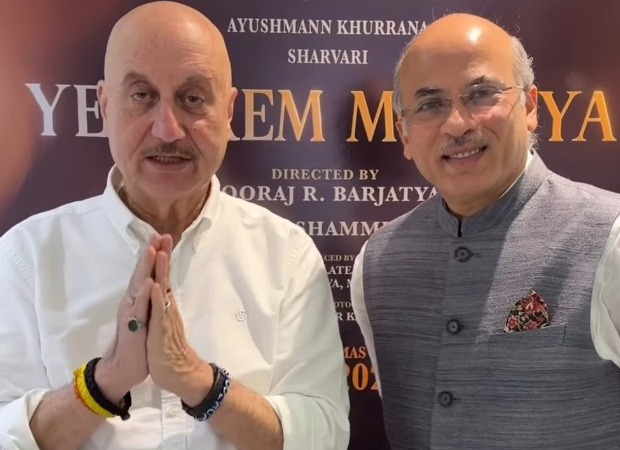
Anupam Kher urges government to honour Rajshri Productions with postage stamp as Yeh Prem Mol Liya releases; says, “There will be a national museum in Sooraj Barjatya’s name”
16 minutes ago
India
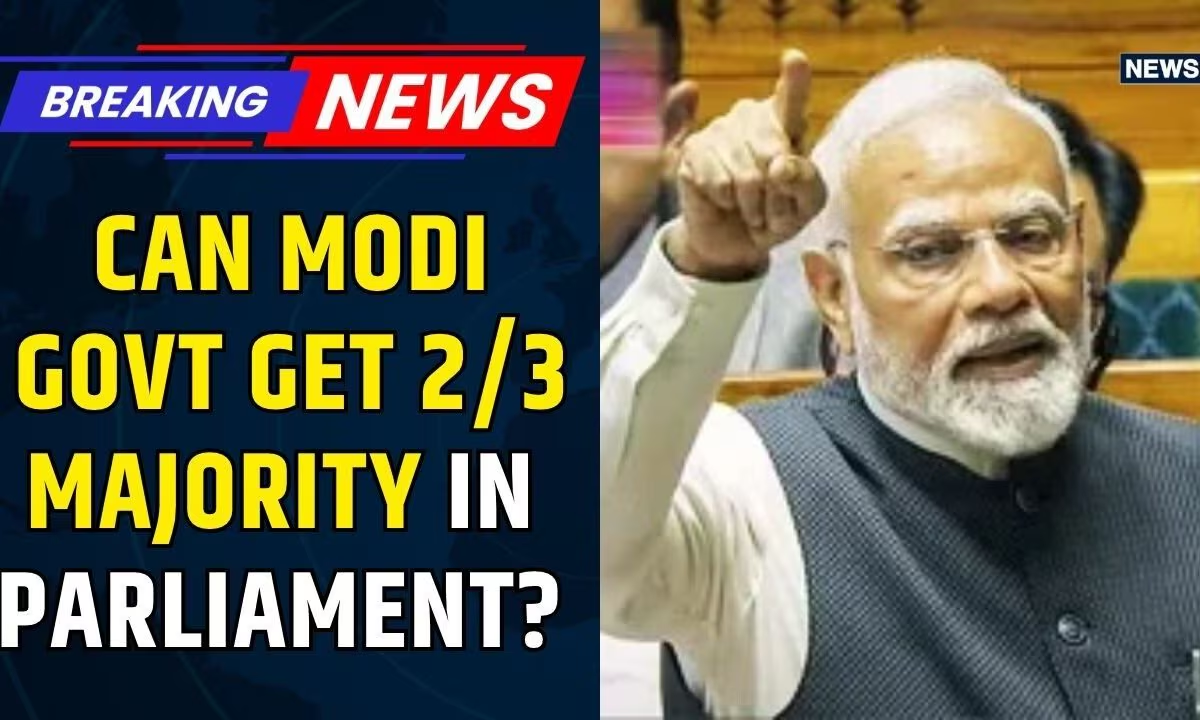
Delimitation Bill: What’s At Stake In The Special Session? Modi Govt Faces The Numbers Test
37 minutes ago
Entertainment & Cinema
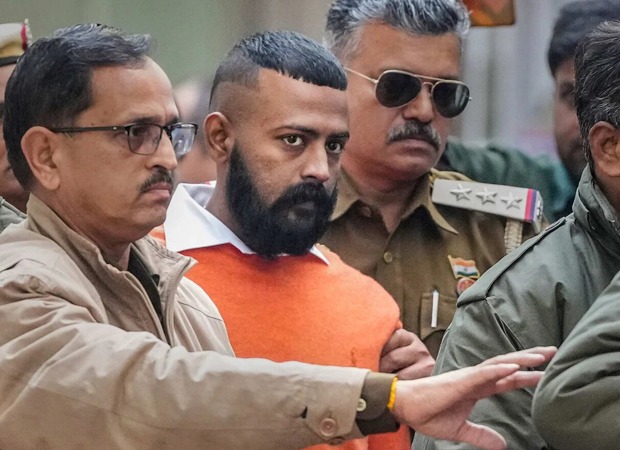
Sukesh Chandrashekhar serves legal notice to Netflix over upcoming documentary Love, Scam aur Dhokha; seeks postponement of release
37 minutes ago
Sports
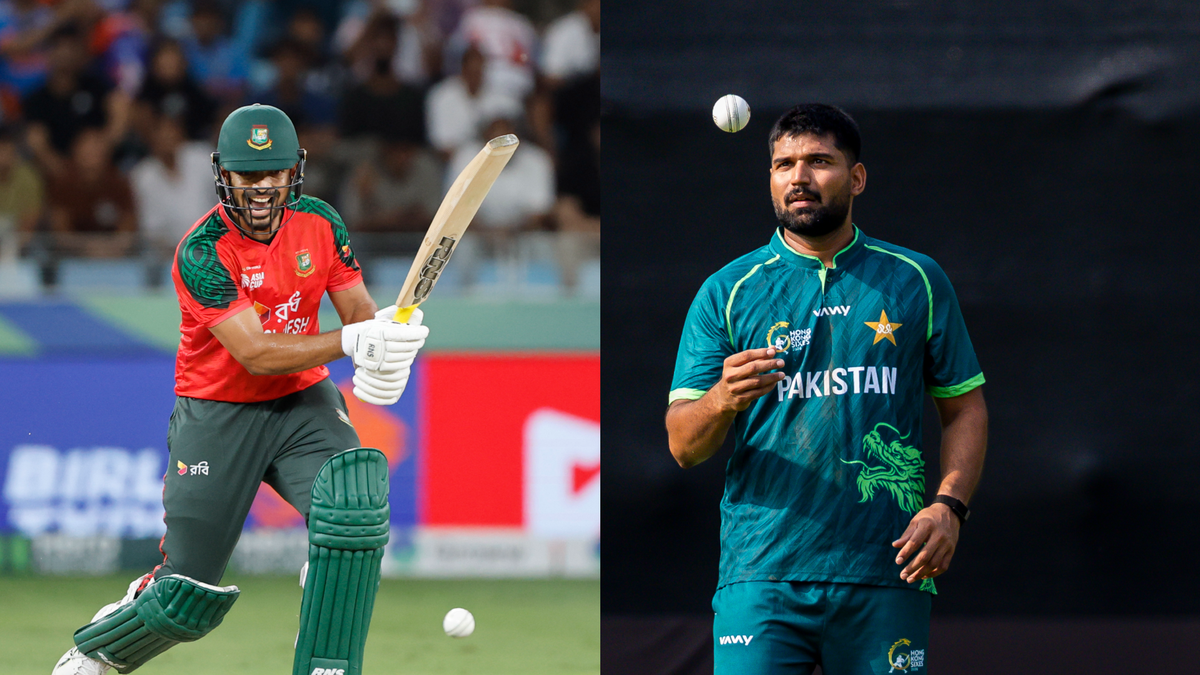
Pakistan A vs Bangladesh A LIVE score, Rising Stars Asia Cup 2026 semifinal: Final spot on the line; Playing XI, toss at 3:00PM IST
4 minutes ago
Editorial & Syndication Notice: This story has been syndicated or published by 360 NEWS in accordance with verified fair-use, official press dissemination, and original attribution protocols. All trademarks, photos, and referenced quotes remain the property of their respective owners. For editorial corrections, press inquiries, or rights notices, contact [email protected].

Comment
0Upholding journalistic discourse. No registration required.
No comments yet. Share your perspective!