

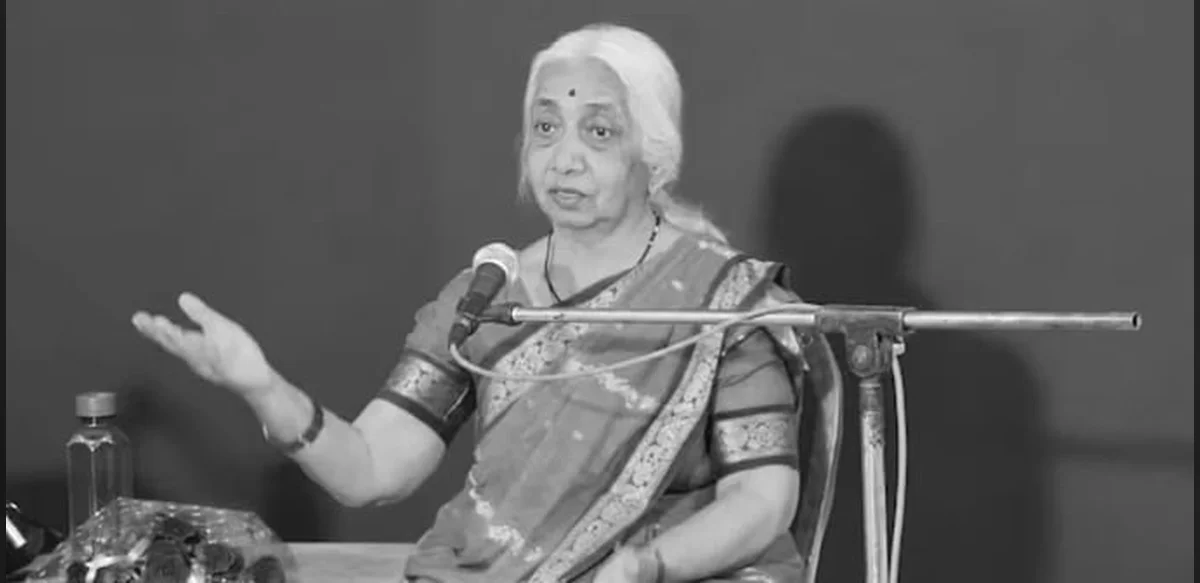
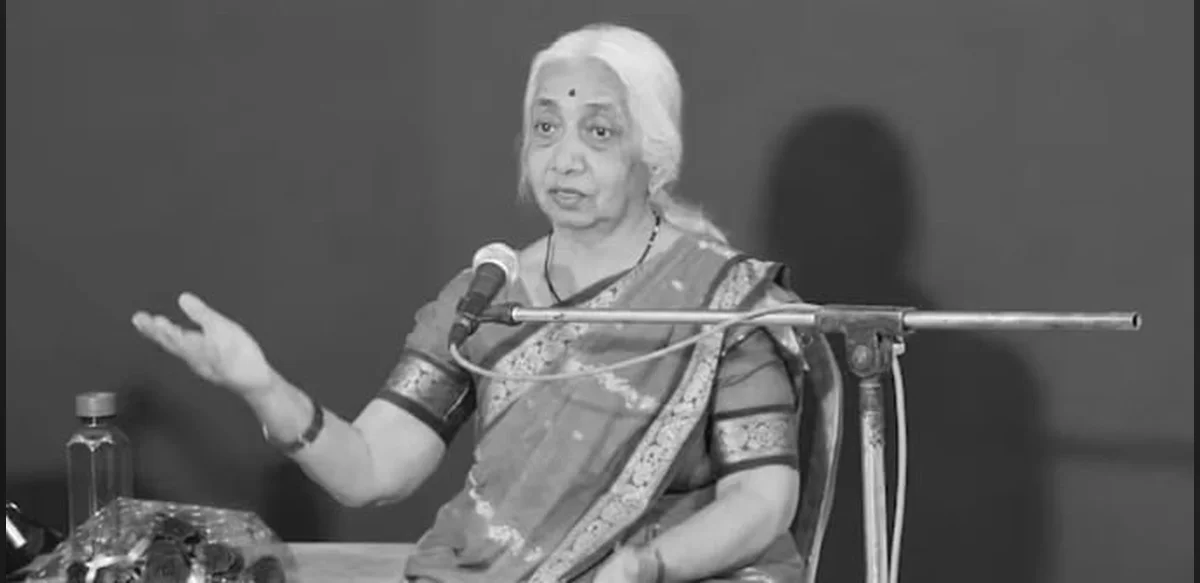
Sakuntala Narasimhan, recognized for her command of two major Indian classical vocal traditions, has died at the age of 86. She was noted for her ability to perform both Hindustani and Carnatic styles within single recitals, a technique sometimes described as self-jugalbandi.
Her work drew attention for bridging distinct schools of music that developed in different regions of the subcontinent. Hindustani music, prevalent in northern areas, often emphasizes improvisation and rhythmic elaboration. Carnatic music, more common in southern regions, follows structured compositions with precise rhythmic cycles. Narasimhan integrated elements from both during her performances.
Observers of her concerts remarked on the technical demands of switching between the two systems in one sitting. Such presentations required deep familiarity with differing melodic frameworks, ornamentation styles, and rhythmic patterns. Her approach allowed audiences to experience contrasts and connections between the traditions without separate artists.
The news of her passing has prompted reflections within classical music circles on the challenges and value of cross-tradition expertise. Performers who attempt similar fusions often study for years under multiple teachers to achieve fluency in each system. Narasimhan’s career illustrated one path for sustaining both forms through individual practice.
Details surrounding her early training and later professional activities remain limited in public records. What stands out is the consistent description of her recitals as demonstrations of versatility rather than adherence to a single school. This placed her among a small group of artists who presented combined programs.
Tributes from fellow musicians have focused on the discipline required to maintain proficiency across contrasting repertoires. Some have noted that her example encouraged younger vocalists to explore broader training, even if full mastery of both styles remains uncommon. The self-jugalbandi format she employed continues to be discussed as an innovative yet demanding format.
Classical music communities in various regions have acknowledged her contribution to keeping both traditions visible through unified performances. While individual careers vary widely, her documented work serves as a reference point for those interested in comparative study of the two systems.
Funeral arrangements and memorial events are expected to be announced by family members in due course. The music world will likely continue conversations about the possibilities and limitations of blending Hindustani and Carnatic approaches in live settings.
Her passing marks the end of a career defined by technical range and a willingness to present contrasting musical languages side by side. Accounts of her recitals emphasize clarity of voice and precision in navigating complex structures from both traditions.
Further documentation of her life and recordings may emerge as archives are reviewed. For now, the primary record centers on her role as a vocalist who demonstrated the feasibility of self-accompanied dual-style presentations.
The broader field of Indian classical music benefits from artists who maintain active engagement with multiple lineages. Narasimhan’s example, though concise in available detail, underscores the dedication needed to sustain such engagement over decades.
Listeners and students alike may revisit available performances to study the transitions she made between the two styles. These transitions highlight both the shared foundations and the distinct characteristics of Hindustani and Carnatic music.
In summary, the announcement of her death at 86 closes a chapter for an artist remembered for her command of two classical vocal forms and her distinctive method of presenting them together.



Comment
0Upholding journalistic discourse. No registration required.
No comments yet. Share your perspective!