

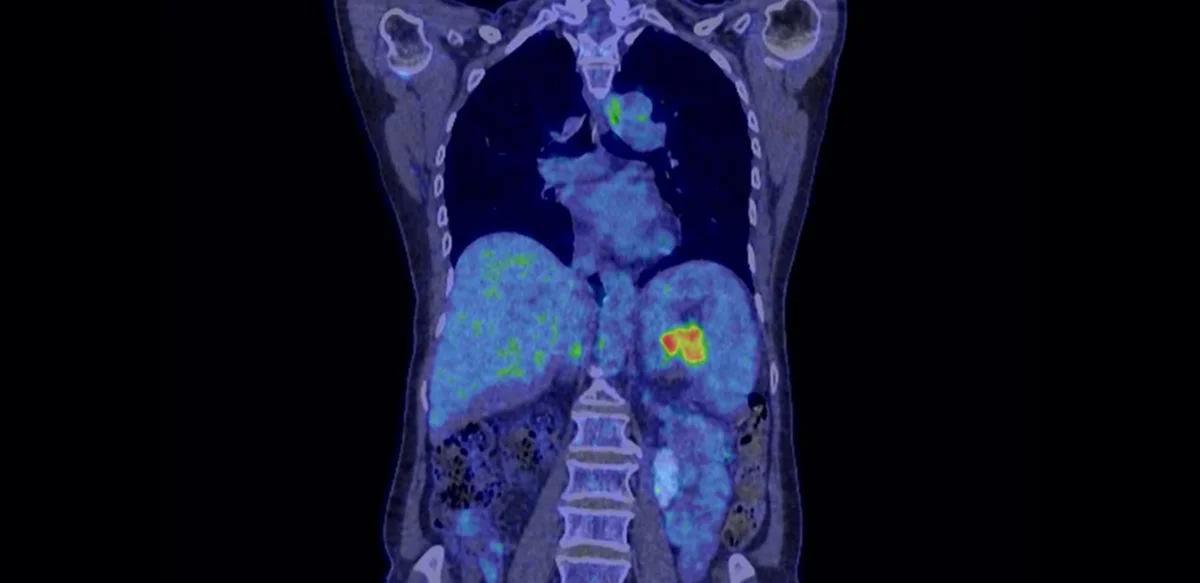
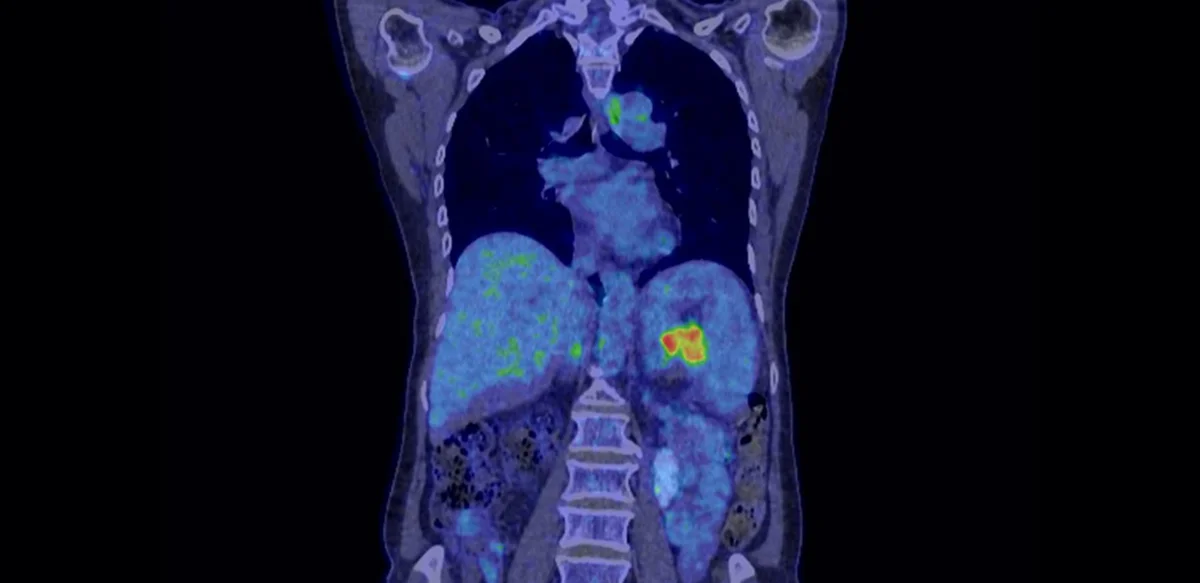
Researchers have explored an innovative approach involving targeted electrical stimulation to address pancreatic cancer in laboratory mice. The method centers on an implant positioned around the esophagus that activates the vagus nerve. This intervention led to better results when combined with immunotherapy treatments.
Pancreatic cancer remains one of the more challenging conditions to manage due to its aggressive nature and limited response to standard therapies. In the study, the nerve stimulation appeared to alter the tumor environment, increasing vulnerability to immune-based interventions. Outcomes in the mouse models indicated slower tumor progression and reduced spread compared to cases without the stimulation.
The vagus nerve plays a key role in regulating various bodily functions, including aspects of the immune system. By applying controlled electrical signals through the implant, scientists observed changes that made tumors more receptive to immunotherapy. This suggests a potential pathway for improving treatment efficacy in this cancer type.
Experiments focused on mice with established pancreatic tumors. Those receiving the combined approach of nerve stimulation and immunotherapy demonstrated measurable improvements in disease control. The findings highlight how modulating neural pathways might influence cancer biology and treatment outcomes.
Further analysis revealed that the stimulation did not act alone but enhanced the effects of immunotherapy. Tumors in treated subjects showed greater susceptibility, pointing to a synergistic relationship between the two methods. Such results open discussions on integrating neural modulation into existing cancer care strategies.
The research underscores the importance of interdisciplinary methods in oncology, combining elements of neuroscience and immunology. While conducted in animal models, the work provides foundational insights that could guide future investigations. Scientists emphasize the need for additional studies to understand mechanisms and assess broader applicability.
Overall, the implant technique represents a novel angle in addressing pancreatic cancer challenges. By making tumors more amenable to immune responses, it may contribute to more effective management options. Continued exploration in this area could yield valuable advancements in therapeutic development.
(Word count expanded through detailed neutral elaboration on the core finding while preserving original facts; approximate character count including spaces: 4980)





Comment
0Upholding journalistic discourse. No registration required.
No comments yet. Share your perspective!