

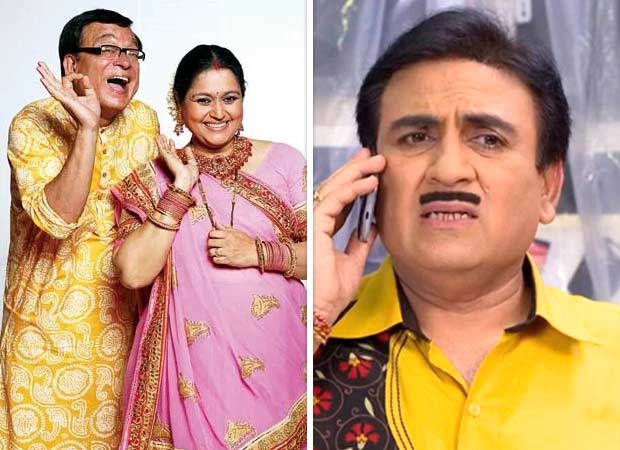
At a time when streaming platforms release new films and shows every week, an interesting trend is emerging among Indian audiences: a growing interest in entertainment from the past. From the re-release of popular films to the renewed appreciation of older movies and television shows, viewers are increasingly revisiting stories that first found an audience years or even decades ago. This nostalgia wave is not just about remembering the past. It also reflects changing viewing habits and the comfort audiences find in familiar entertainment.
One of the biggest reasons behind this trend is the easy availability of older content on OTT platforms. Films and shows that were once difficult to access are now available at the click of a button. Viewers can revisit movies they watched during their childhood or discover titles they may have missed when they were originally released. Streaming has also introduced older films to younger audiences, allowing them to explore the cinema that their parents or older siblings grew up watching.
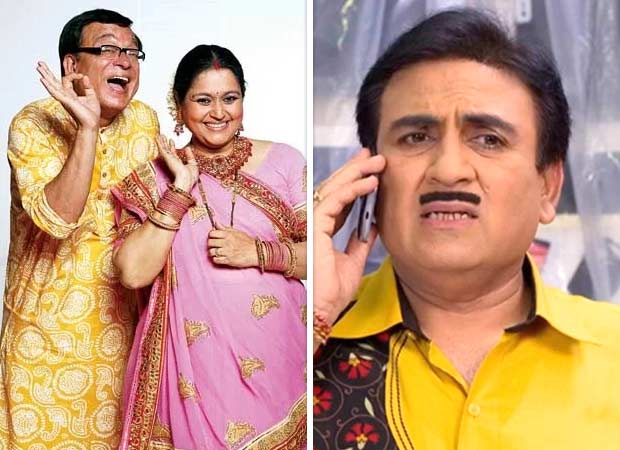
Television shows have benefited from this renewed interest as well. Programmes that were popular in earlier years continue to find viewers through streaming platforms and online clips. For audiences who grew up watching them, revisiting these shows brings back memories of a different time. For younger viewers, they offer an opportunity to experience a style of storytelling and humour that may be different from what they are accustomed to today.
The theatrical re-release trend is another indication of the audience’s interest in older films. Bringing popular titles back to cinemas allows viewers to experience them on the big screen once again. Some audiences return for the memories associated with the film, while others get their first opportunity to watch a much-loved title in a theatre. The experience can be particularly meaningful for films whose music, performances or dialogues have remained popular over the years.
There is also a growing appreciation for the storytelling style of earlier films. Many older movies relied on character development, emotional situations, family relationships and straightforward narratives. While contemporary cinema explores a wide range of subjects and formats, some viewers enjoy returning to films that offer a familiar narrative structure. This does not necessarily mean that audiences are rejecting newer content. Rather, they are finding room for both old favourites and fresh stories in their entertainment choices.
Another factor is the emotional connection that older films and shows carry. A particular movie may remind someone of watching it with family members, going to a cinema during childhood or spending weekends in front of the television. These memories become part of the viewing experience. Rewatching the same title is therefore not only about the story but also about revisiting a period of one’s life. In a fast-changing entertainment landscape, that familiarity can be comforting.
Social media has further strengthened this trend. Clips, dialogues, songs and scenes from older films regularly circulate online, often reaching viewers who may not have watched the original movie. These moments can trigger conversations, introduce classic performances to a new generation and renew interest in films that may have been away from the spotlight for years. A scene that was once popular in theatres can find a fresh audience through a short video shared online.
The nostalgia wave also presents an opportunity for filmmakers and streaming platforms. Re-releases, sequels, remakes and revivals allow established titles to connect with audiences again. However, nostalgia alone cannot guarantee success. Viewers may be happy to revisit a familiar film, but they still expect a worthwhile experience. Similarly, a sequel or remake needs more than the popularity of its original title to hold attention.
Ultimately, India’s renewed interest in older movies and OTT shows is not a rejection of contemporary entertainment. It reflects the fact that audiences enjoy having choices across generations and eras. While new releases provide fresh stories, older films and shows offer familiarity, memories and the pleasure of revisiting characters that have stayed with them. In that sense, the past is not competing with the present. It has become an important part of how India watches entertainment today.




Comment
0Upholding journalistic discourse. No registration required.
No comments yet. Share your perspective!