

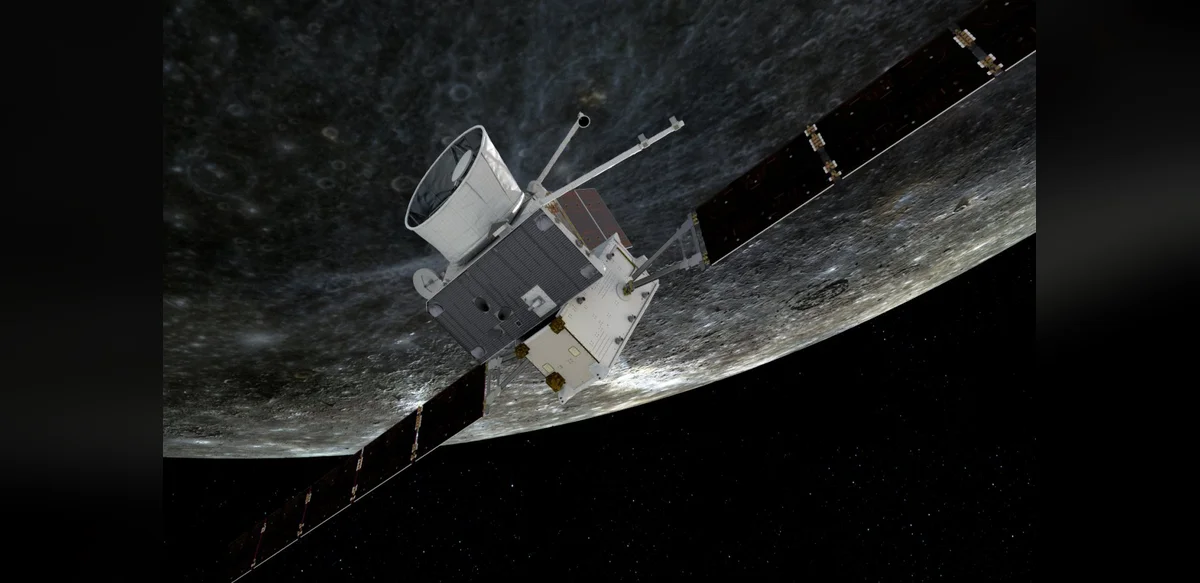
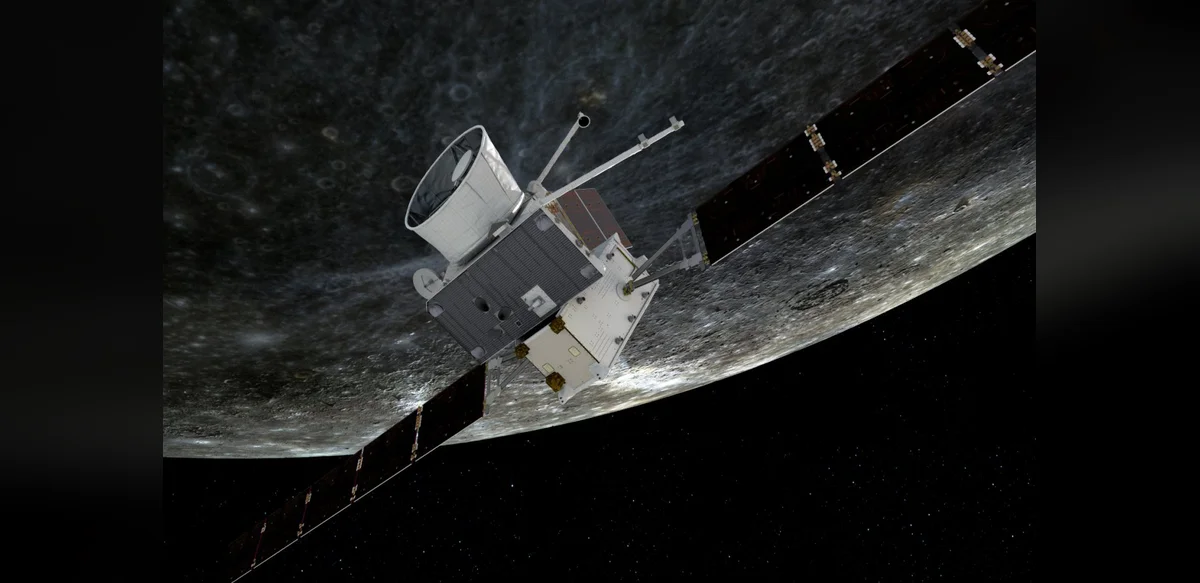
After traveling for eight years on a path directed toward the sun, the BepiColombo spacecraft has reached the point where it can start its primary scientific work around Mercury. The mission focuses on exploring the smallest planet in the solar system and addressing longstanding questions about its composition, surface features, and internal structure.
The journey involved multiple gravity assists and careful trajectory adjustments to slow the spacecraft sufficiently for orbital insertion. Engineers monitored systems throughout the extended cruise phase to ensure all instruments remained ready for activation upon arrival. This careful preparation allows the probe to begin collecting data immediately after entering the correct path around the planet.
Mercury presents unique challenges for observation due to its proximity to the sun and extreme temperature variations. The spacecraft carries a suite of instruments designed to measure magnetic fields, surface composition, and exosphere properties while withstanding intense solar radiation. Data gathered will contribute to broader understanding of how terrestrial planets form and evolve.
Teams on the ground have coordinated international efforts to support the mission from launch through the current orbital phase. Regular communication links confirm spacecraft health and enable transmission of initial observations back to Earth. These early transmissions will help refine subsequent observation plans.
The arrival marks the transition from transit operations to dedicated science activities. Over the coming months, the spacecraft will adjust its orbit to optimize coverage of different regions on Mercury. This phased approach ensures comprehensive mapping and measurement campaigns can proceed efficiently.
Public interest in planetary exploration remains high as missions like this provide new perspectives on neighboring worlds. Updates from the project will continue to detail progress as instruments begin their systematic surveys of the planet’s characteristics.
Continued monitoring of spacecraft performance will be essential given the harsh environment near the sun. Redundant systems and protective measures incorporated during design help mitigate risks associated with prolonged exposure to solar conditions.
The overall mission timeline includes extended periods of data collection followed by analysis phases on Earth. Scientists anticipate that results will inform models of planetary dynamics and contribute to comparative studies with other inner solar system bodies.
As operations proceed, additional details regarding specific instrument activations and preliminary findings will be released through official channels. This structured release supports accurate dissemination of information to the wider scientific community and interested observers.
The successful entry into orbit represents a significant milestone achieved through sustained international collaboration and technical expertise. Future phases will build upon this foundation to maximize the scientific return from the mission.




Comment
0Upholding journalistic discourse. No registration required.
No comments yet. Share your perspective!