

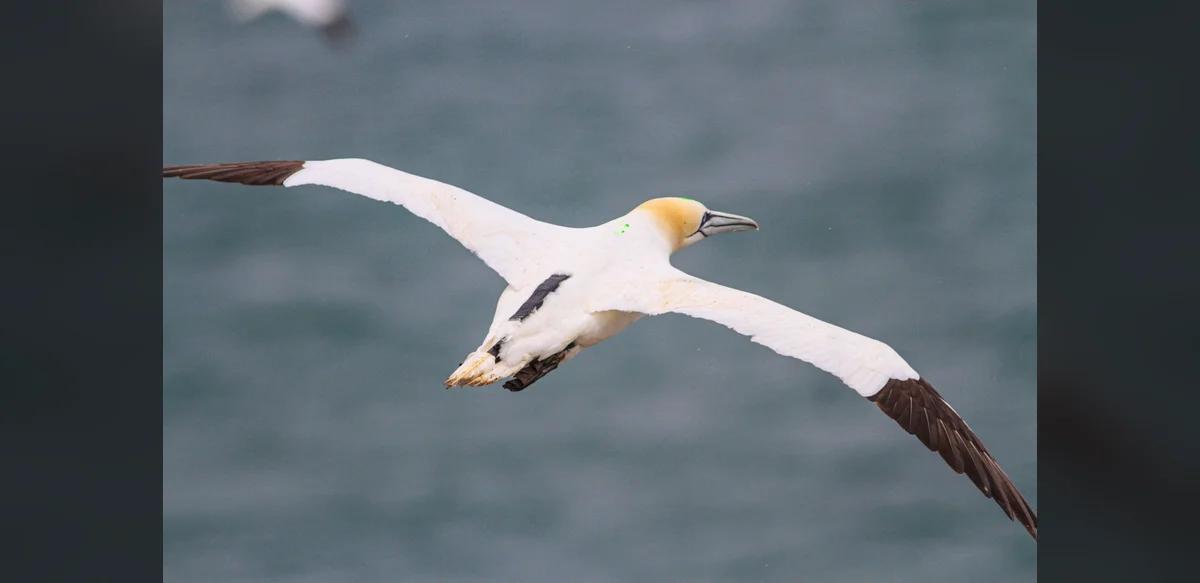
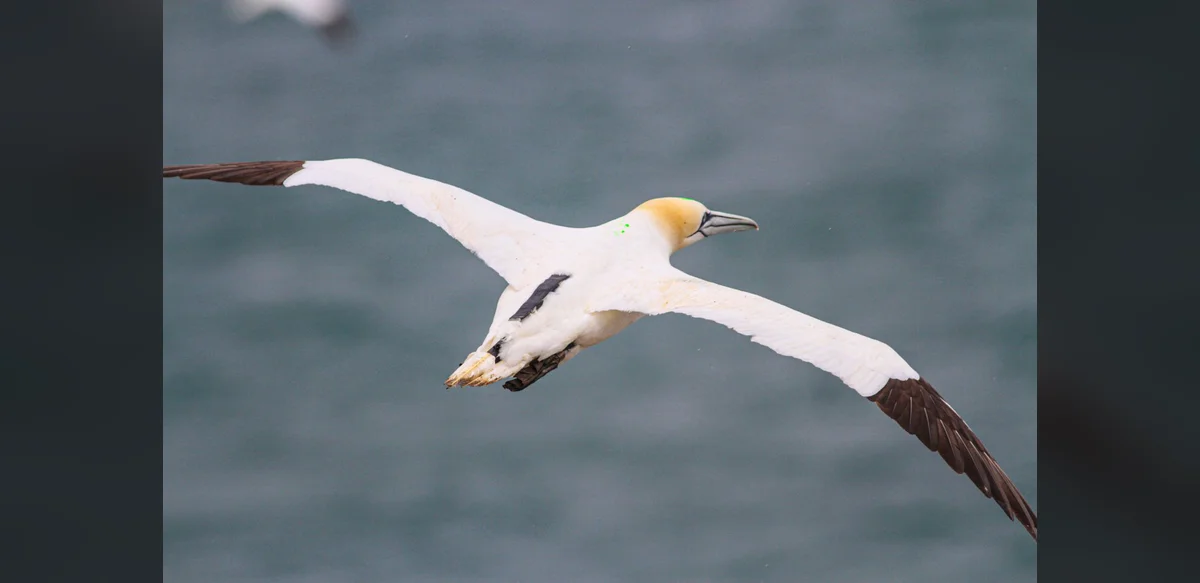
Scientists have discovered that seabirds fitted with simple audio recording equipment and location tracking devices can identify the presence of ships at sea. This method provides a fresh option for observing fishing activity that may not be properly reported through standard systems.
The approach relies on the natural movement patterns of seabirds, which often fly near vessels in search of food. By attaching lightweight recorders and positioning tools to the birds, researchers can gather data on sounds and locations that indicate ship activity. This information helps highlight areas where vessels might be operating without broadcasting their positions as required by regulations.
Illegal or unreported fishing remains a significant challenge for ocean management worldwide. Traditional monitoring relies on satellite systems and vessel tracking signals, yet some operators turn off these signals to avoid detection. The use of seabirds adds an indirect but effective layer of observation that does not depend solely on ship cooperation.
Field tests have shown that the combination of sound recordings and precise location data allows teams to map ship encounters over large distances. The birds cover regions that might otherwise require expensive aircraft or ship patrols. Once the data is collected, analysts review the audio for engine noises or other indicators of nearby vessels and cross-reference these with the birds’ flight paths.
This technique builds on earlier studies that used animals to collect environmental information. In this case, the focus stays on improving oversight of maritime zones where enforcement is difficult. The equipment is designed to be non-invasive, with devices that detach after a set period so the birds can continue their normal behavior.
Experts note that the method could complement existing tools rather than replace them. Satellite imagery and radar systems still play key roles, but the bird-based recordings offer real-time clues in remote areas. The data can be especially useful in regions with limited coast guard presence or during periods of poor weather that limit aerial surveillance.
Further development may involve refining the recording devices to capture more detailed sound profiles or extending battery life for longer missions. Researchers also consider how to scale the project by working with different seabird species that frequent busy shipping lanes. Collaboration with marine authorities could help integrate the findings into broader enforcement strategies.
The overall goal remains protecting marine resources by reducing unauthorized fishing. By leveraging the natural range of seabirds, the project demonstrates how biological observations can support technological monitoring efforts. Continued testing will determine how widely the approach can be applied across various ocean environments.
Public interest in sustainable fishing practices continues to grow, and innovative monitoring ideas like this one attract attention from both scientific and policy communities. The findings underscore the value of creative partnerships between wildlife research and ocean governance. As more data becomes available, the technique may contribute to stronger international efforts aimed at maintaining healthy fish populations and fair competition among fishing fleets.
In summary, the study illustrates a practical way to gather evidence on vessel movements that might otherwise go unnoticed. It opens possibilities for expanded use of animal-assisted monitoring in conservation work while maintaining focus on non-harmful data collection methods.





Comment
0Upholding journalistic discourse. No registration required.
No comments yet. Share your perspective!