

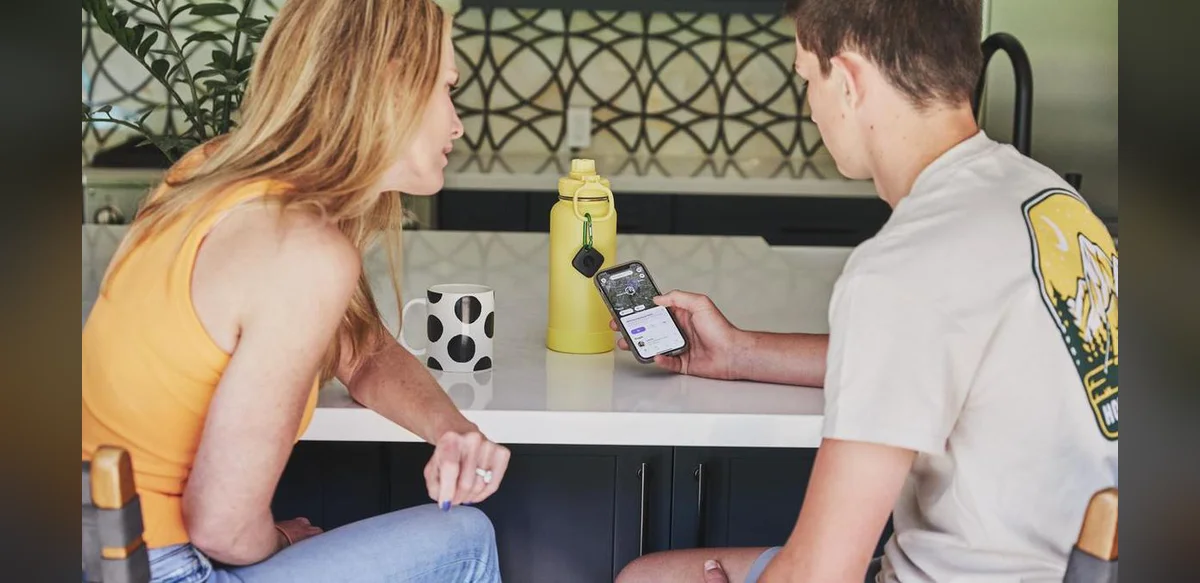
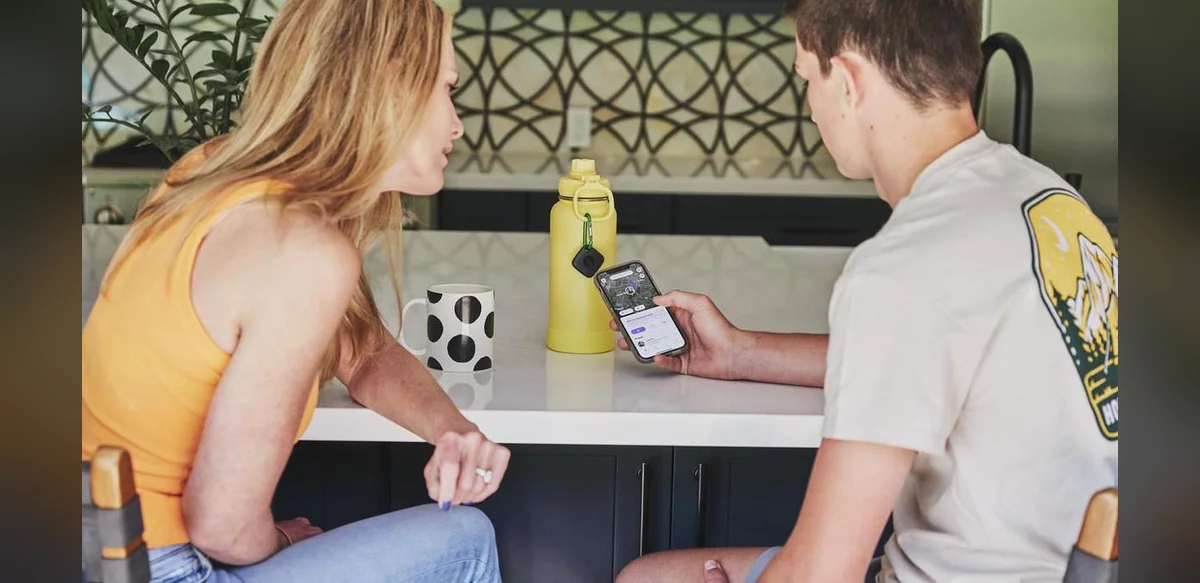
Recent indications point to a strong preference among school leavers for employing location sharing applications while participating in end of year festivities known as Schoolies. This trend emerges alongside growing attention to personal security during such events.
Schoolies celebrations typically involve large numbers of recent graduates gathering at popular coastal destinations to mark the conclusion of their secondary education. These gatherings often span several days and include various social activities in public spaces.
Survey responses collected from participants suggest that the majority intend to activate features on their mobile devices that allow selected contacts to track their whereabouts in real time. Such tools provide a means for friends and family members to remain informed about movements without requiring constant direct communication.
The decision reflects broader discussions around risk management in group settings where individuals may be separated from their immediate companions. Location sharing can facilitate quicker reunions or alerts if someone encounters an unexpected situation.
Organizers of these events have noted increased emphasis on preparation measures in recent years. Information sessions and online resources frequently highlight practical steps that attendees can take to maintain awareness of their surroundings.
Mobile applications designed for this purpose generally operate through standard smartphone operating systems and require explicit permission from users before sharing begins. Settings allow customization so that data is visible only to chosen individuals for a defined period.
Parents and guardians have expressed support for the approach as it offers a non intrusive way to stay connected during periods when direct calls might be impractical due to noise or activity levels.
Industry observers indicate that adoption of these features has risen steadily across various age groups in social contexts. The technology itself relies on global positioning systems combined with data networks to update positions at regular intervals.
Event coordinators continue to promote general guidelines that encourage participants to travel in groups and designate meeting points in advance. Location sharing serves as one additional layer within a wider set of recommended practices.
Discussions in educational settings prior to the celebration period often cover digital tools alongside traditional safety advice. This integrated approach aims to equip young people with multiple options for staying informed and connected.
Overall the pattern shows a shift toward proactive use of available technology to address common concerns associated with large scale youth gatherings. Continued monitoring of usage trends may provide further insights into how these tools integrate into everyday event planning.
The focus remains on voluntary participation with clear consent mechanisms built into the applications. Users retain full control over when and with whom information is exchanged throughout the duration of the festivities.



Comment
0Upholding journalistic discourse. No registration required.
No comments yet. Share your perspective!