

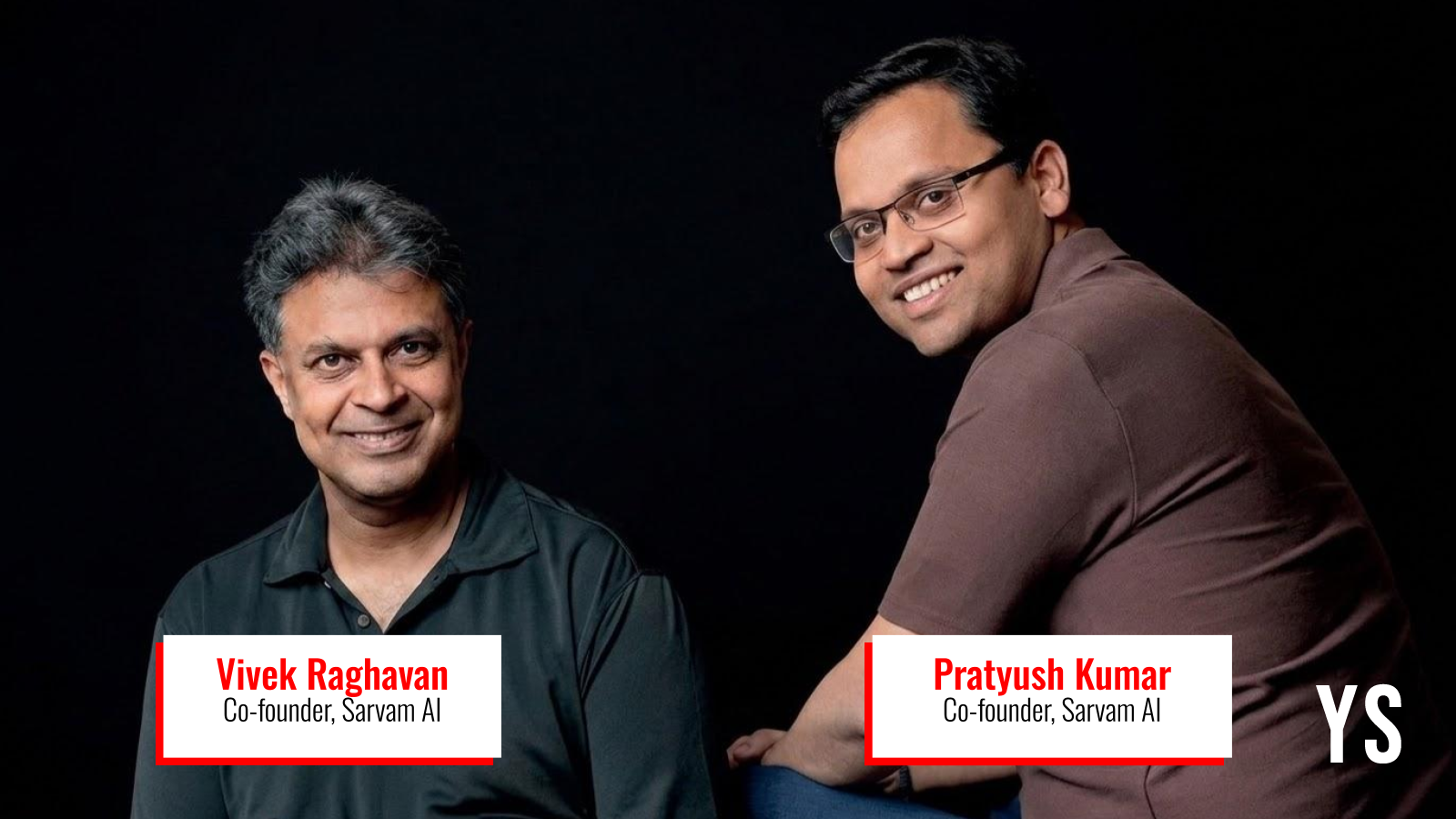
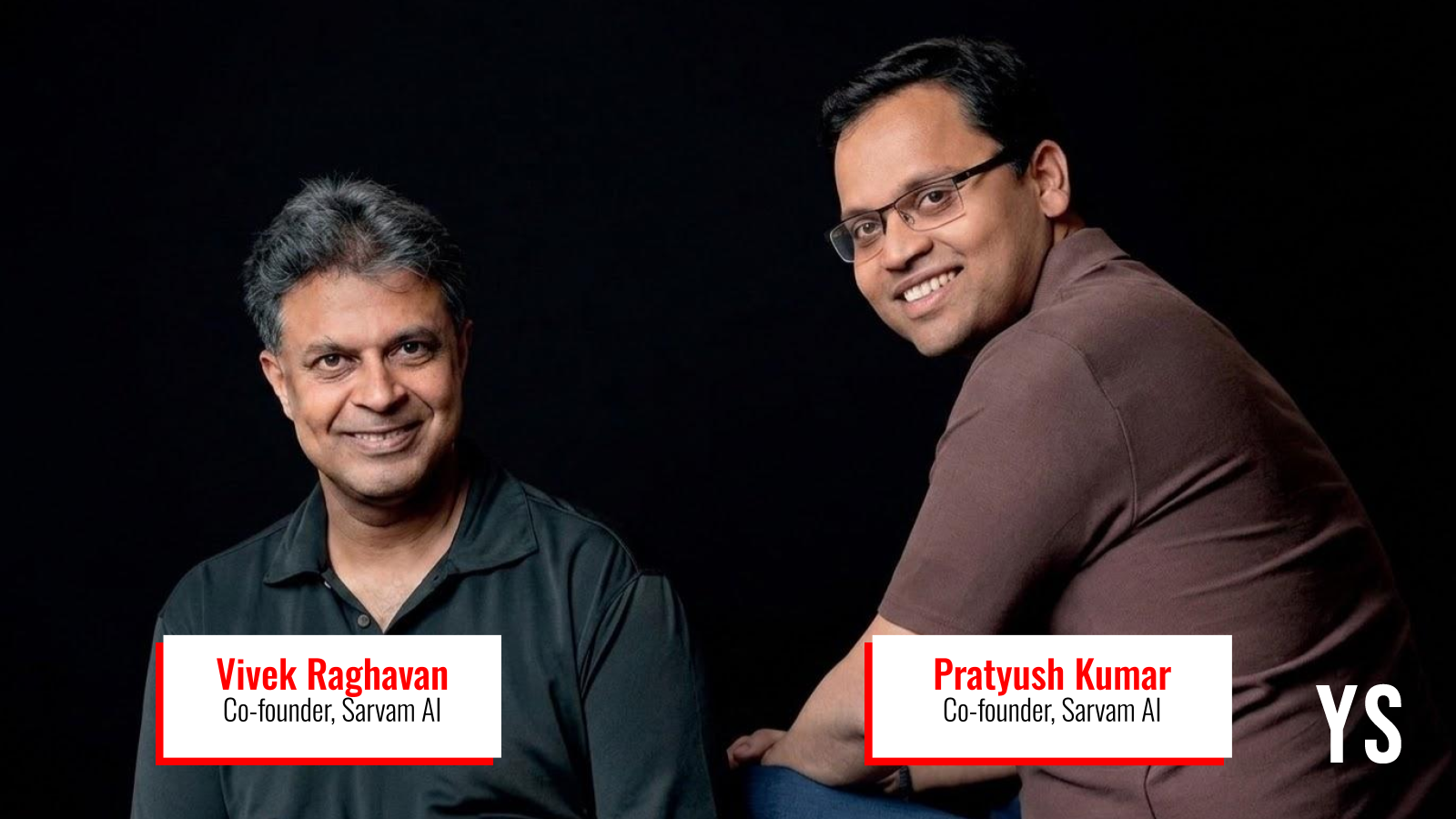
After Sarvam AI’s Token Factory attracted both support and criticism, particularly over its inclusion of Chinese-developed AI models, co-founder Pratyush Kumar has sought to address the questions surrounding the platform’s funding, use of computing resources, and its relevance to Sarvam’s indigenous AI ambitions.
Kumar said the IndiaAI Mission offered around 20 startups access to graphics processing units (GPUs) at a 40% discount. Sarvam used this support to train its 105-billion-parameter model from scratch. He noted that the government did not fund Sarvam directly, with the subsidy instead going to GPU cloud providers.
Launched on November 16, Token Factory allows developers and businesses to access multiple AI models through a single application programming interface (API), with charges based on the number of tokens processed. Tokens are small units of text that an AI model reads or generates, while inference is the process of generating responses using a trained model.
The platform’s catalogue includes Sarvam’s own model alongside open-weight systems such as DeepSeek, Kimi, GLM and Google’s Gemma. Open-weight models make their trained parameters available for others to download and run.
Kumar emphasised that this business operates independently of the government-supported training effort. “We serve multiple open-weight models on GPUs we have privately procured, without any government support,” he said. Sarvam has also said that its subsidised compute allocation ended in March 2026.
The inclusion of Chinese-developed models has fuelled the debate over technological sovereignty. Sarvam’s position is that a model’s country of origin and the location of the infrastructure on which it runs are two different matters. Hosting open-weight models on Indian GPUs means prompts need not be sent to overseas model providers.
However, domestic hosting does not make a foreign-developed model Indian or transfer its intellectual property. Nor does it, by itself, resolve concerns about software supply chains and model behaviour.
Sarvam says zero data retention, under which prompts and responses are not stored, is available on request, while operational logs are governed separately. Data residency alone is not a complete privacy guarantee.
Kumar maintained that building inference infrastructure does not take away from Sarvam’s core focus on developing its own models. On November 22, the company announced Sarvam-105B-1711, an updated open-weight version of its 105B model, claiming improvements in reasoning, tool use, and Indian-language performance.
Sarvam noted that the model’s average score across eight benchmarks for conversational agents had risen from 42.6 to 73.9. Kumar also indicated further releases across vision, speech and edge AI, alongside efforts to secure more advanced computing infrastructure for training larger models.
The commercial opportunity highlights a wider industry shift. As AI becomes part of everyday applications, the cost of running models repeatedly can matter as much as the cost of developing them. Sarvam is not alone in pursuing this market.
Other Indian players, including L&T, Jarvislabs, Utho Labs and Mirror Security, are also developing similar offerings, competing with established global providers such as Together AI and Fireworks AI.
This activity is unfolding alongside government efforts to strengthen domestic AI capabilities. The IndiaAI Mission, approved in 2024 with a five-year outlay of about Rs 10,372 crore, supports foundation-model development and shared computing infrastructure. A July government update said 20 indigenous model proposals had been identified and 93 lakh GPU hours sanctioned across 237 projects.
Edited by Swetha Kannan



Comment
0Upholding journalistic discourse. No registration required.
No comments yet. Share your perspective!