

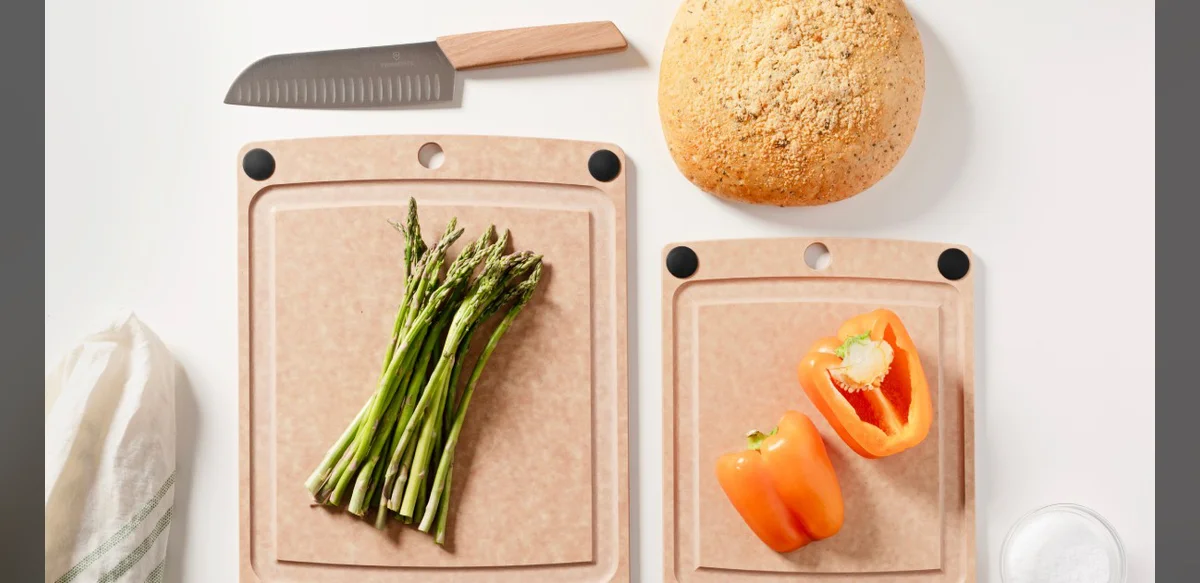
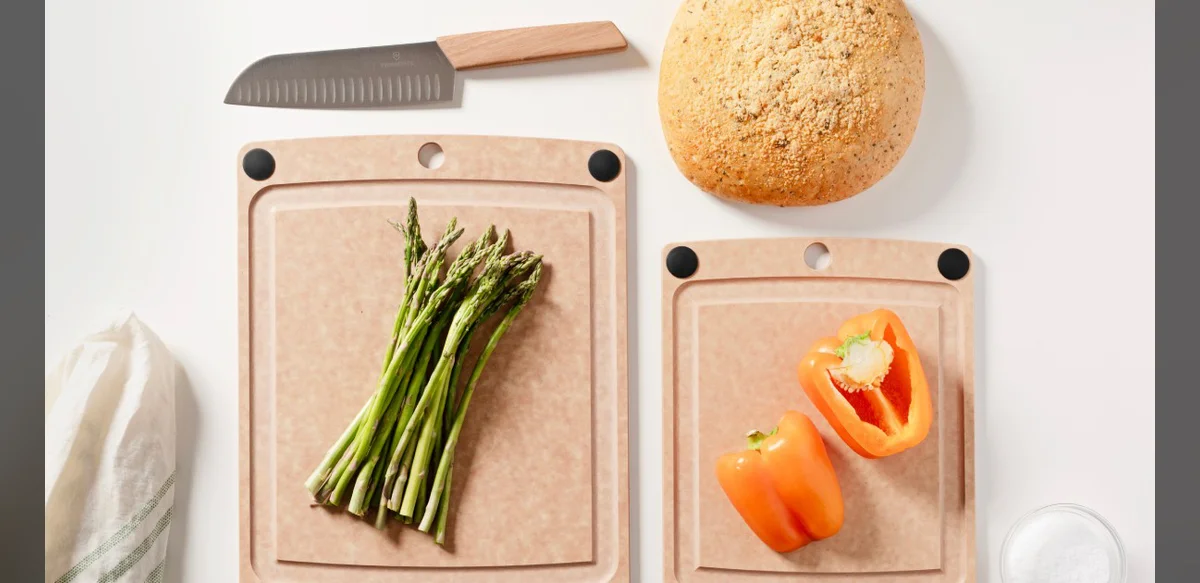
Cutting boards serve as essential kitchen tools that endure heavy daily use across various food preparations. They handle raw proteins like chicken before moving on to vegetables such as onions and then to items like bread. Between tasks, these surfaces often receive only a brief wipe with a sponge, which may not fully address potential contamination risks.
Proper maintenance of cutting boards plays a key role in maintaining kitchen hygiene. Different materials require tailored approaches to cleaning and sanitizing. Plastic boards offer durability and often withstand high temperatures, while wooden boards provide a natural surface that demands more careful handling to avoid damage.
For plastic cutting boards, begin by rinsing away visible debris under warm running water. Apply a mild dish soap and scrub thoroughly with a brush or sponge, paying attention to grooves and edges where residues can accumulate. Many plastic varieties are suitable for dishwasher cycles, which use heat to aid in reducing bacteria. After washing, a sanitizing step involves preparing a solution of one tablespoon of unscented bleach per gallon of water. Submerge the board briefly or wipe it down, then rinse completely and allow it to air dry in an upright position.
Wooden cutting boards require gentler techniques to preserve their integrity. Avoid submerging them in water or placing them in dishwashers, as prolonged moisture can lead to warping or cracking. Instead, clean immediately after use with hot soapy water and a dedicated brush. For deeper sanitization, apply a mixture of white vinegar and water or a diluted bleach solution similar to that used for plastic, but limit exposure time. Dry the board promptly with a clean towel and store it vertically to promote airflow.
Regular inspection helps identify wear that affects cleanability. Deep cuts or scratches on either material can harbor particles, making thorough sanitation more challenging over time. Replacing boards when they show significant damage supports ongoing food safety practices.
Additional tips include using separate boards for raw meats and ready-to-eat foods to minimize cross-contact. Applying mineral oil periodically to wooden surfaces maintains their condition without introducing unwanted substances. These steps collectively contribute to safer meal preparation environments.
Understanding material-specific care extends the lifespan of cutting boards while supporting consistent hygiene standards in home kitchens. By following these outlined procedures, users can address both visible soils and microscopic concerns effectively.





Comment
0Upholding journalistic discourse. No registration required.
No comments yet. Share your perspective!