

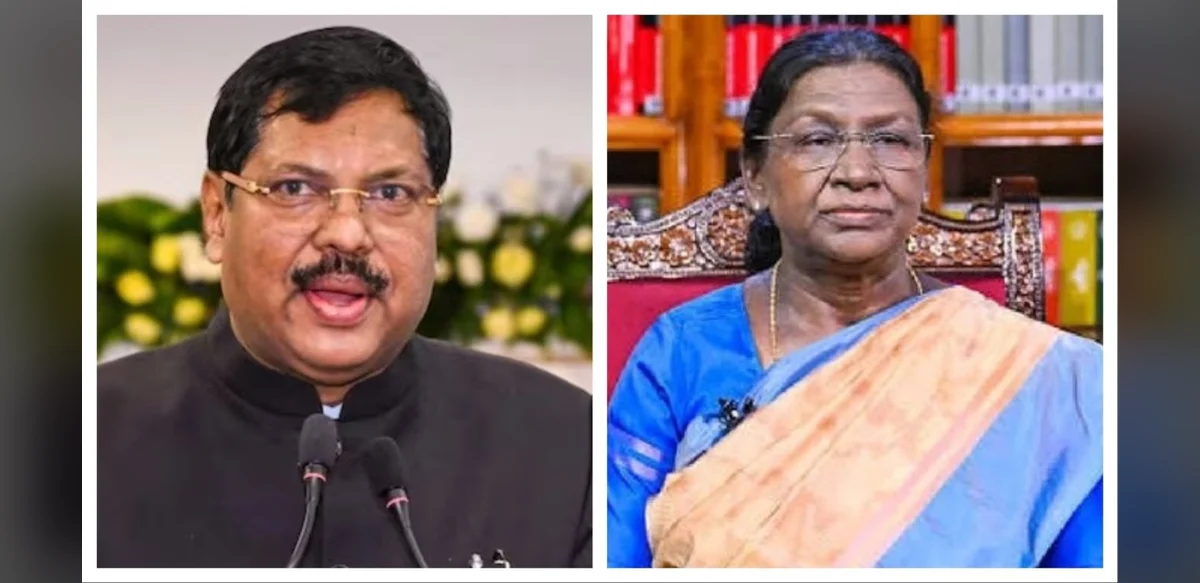
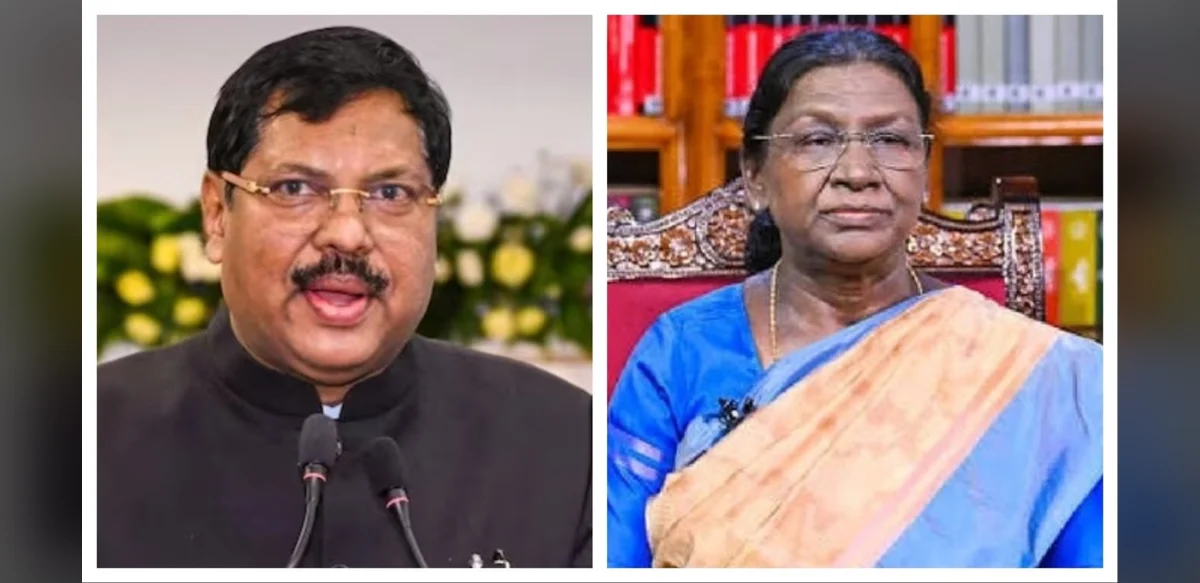
Former Chief Justice of India has written to the President highlighting concerns over perceived imbalances in the process of selecting judges for higher courts. The communication draws attention to patterns where candidates from a particular background appear to receive preferential consideration during collegium deliberations.
The letter emphasizes the need for greater transparency and fairness in appointments to the Supreme Court and various high courts across the country. It notes that repeated instances of such favoritism could undermine public confidence in the judiciary as an institution committed to equal opportunity.
Judicial appointments in India follow the collegium system, where senior judges recommend names for elevation. The executive, including the President and the Union government, plays a role in final approvals. Critics have long argued that this mechanism lacks sufficient checks to ensure representation from diverse social groups.
The former Chief Justice pointed out that despite constitutional provisions promoting equality, the composition of benches often fails to reflect the country’s demographic diversity. This includes underrepresentation of candidates from scheduled castes, scheduled tribes, other backward classes, and minority communities in several instances.
Sources familiar with the development indicate that the letter was sent recently and is expected to prompt discussions within the government and the judiciary. Officials have not yet issued a formal response, though the matter is understood to be under examination.
Legal experts suggest that addressing such concerns could involve revisiting criteria for shortlisting candidates and introducing more structured guidelines for evaluating merit alongside social background. Some have called for parliamentary intervention to codify clearer norms.
The issue of diversity in the judiciary has surfaced periodically in public discourse. Past reports and statements from senior lawyers have similarly flagged the concentration of appointments from a narrow pool of families and regions. Proponents of reform argue that broader inclusion strengthens the legitimacy of judicial decisions.
In recent years, the collegium has recommended several judges from varied backgrounds, yet gaps remain according to available data on court compositions. The former Chief Justice’s intervention adds weight to ongoing debates about structural changes.
Observers note that the President’s office may seek inputs from the Law Ministry before deciding on any follow-up action. The communication is seen as an internal advisory rather than a public critique, though its contents have now entered wider circulation.
Maintaining the independence of the judiciary while ensuring equitable access to judicial positions remains a delicate balance. The letter underscores that perceived biases, even if unintentional, warrant careful review to uphold constitutional values.
Discussions on this topic are likely to continue in legal circles and among policymakers. Any potential reforms would require consensus between the judiciary and the executive to avoid friction in the appointment process.
The former Chief Justice has a distinguished record spanning decades on the bench, including service in multiple high courts before elevation to the Supreme Court. His observations carry significant influence within the legal community.
Public reaction has been measured so far, with calls for measured dialogue rather than hasty conclusions. Advocacy groups focused on judicial reform have welcomed the focus on diversity while stressing the importance of merit-based selection.
Overall, the development highlights persistent challenges in aligning institutional practices with the ideals of social justice enshrined in the Constitution. Further details may emerge as the government processes the communication.





Comment
0Upholding journalistic discourse. No registration required.
No comments yet. Share your perspective!