

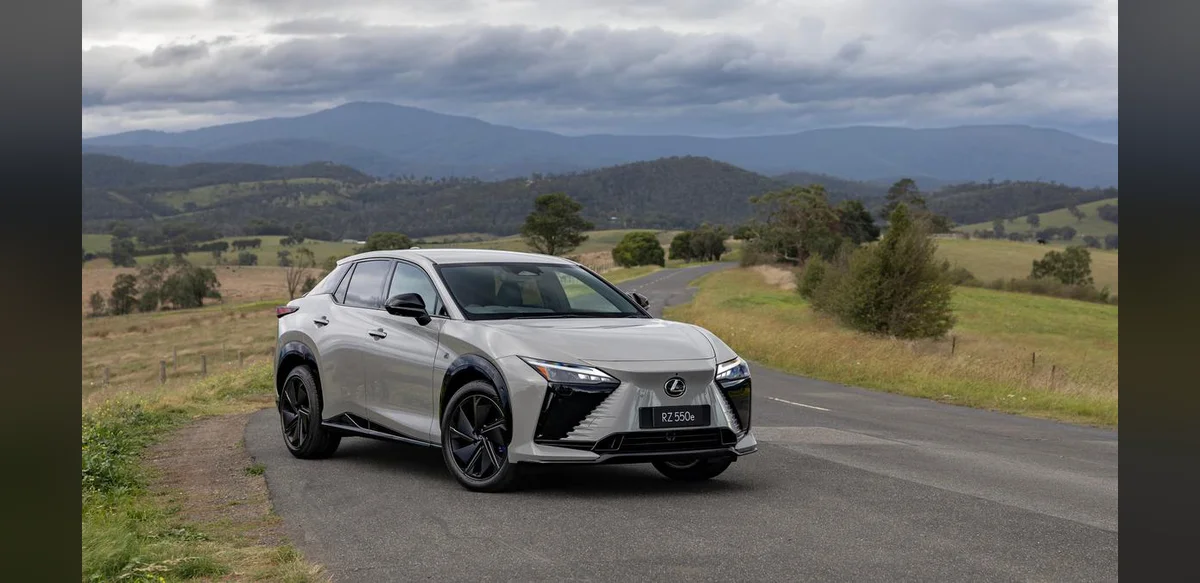
Lexus has aligned its product direction with that of its parent company by placing greater emphasis on electrified sport utility vehicles. The updated NX lineup now centers exclusively on hybrid powertrains, positioning the model as a potential platform for expanded plug-in hybrid variants in the future.
Industry observers note that this move reflects broader efforts within the luxury segment to meet evolving regulatory requirements and consumer interest in lower-emission options. The NX, a mid-size offering, serves as an important volume contributor in several key markets and its powertrain choices are therefore closely watched.
By adopting a hybrid-only approach, Lexus aims to streamline production while still offering a range of electrified choices. The current generation incorporates both conventional hybrid and plug-in hybrid configurations, yet the emphasis on the latter suggests room for additional variants that could deliver greater electric-only range.
Automotive analysts point out that such decisions often precede wider rollout of similar technology across other models in the brand portfolio. The NX benefits from shared engineering with related vehicles, allowing cost efficiencies and faster development cycles when new powertrain options are introduced.
Customer feedback on existing hybrid NX models has generally been positive, with praise for smooth power delivery and competitive fuel economy figures. These attributes support the case for further plug-in versions that could appeal to buyers seeking both performance and reduced operating costs.
Regulatory landscapes in major regions continue to favor vehicles with higher electric capability. Manufacturers that prepare flexible hybrid architectures now may gain advantages when stricter emissions standards take effect in coming years. Lexus appears to be positioning the NX accordingly.
Supply chain considerations also play a role. Battery production capacity and sourcing of components for electrified systems remain critical factors. A focused hybrid strategy on a single model line can help optimize these resources while maintaining quality and reliability standards expected of the brand.
Looking ahead, the NX could serve as a test bed for refinements in plug-in hybrid technology before wider application. This measured approach allows engineers to gather real-world data and address any emerging challenges related to charging infrastructure or driver habits.
Overall, the shift underscores a deliberate evolution in Lexus SUV offerings. While the immediate change centers on the NX, the underlying strategy may influence future product decisions across the electrified range, reinforcing the brand commitment to hybrid solutions as a practical pathway toward lower emissions.