

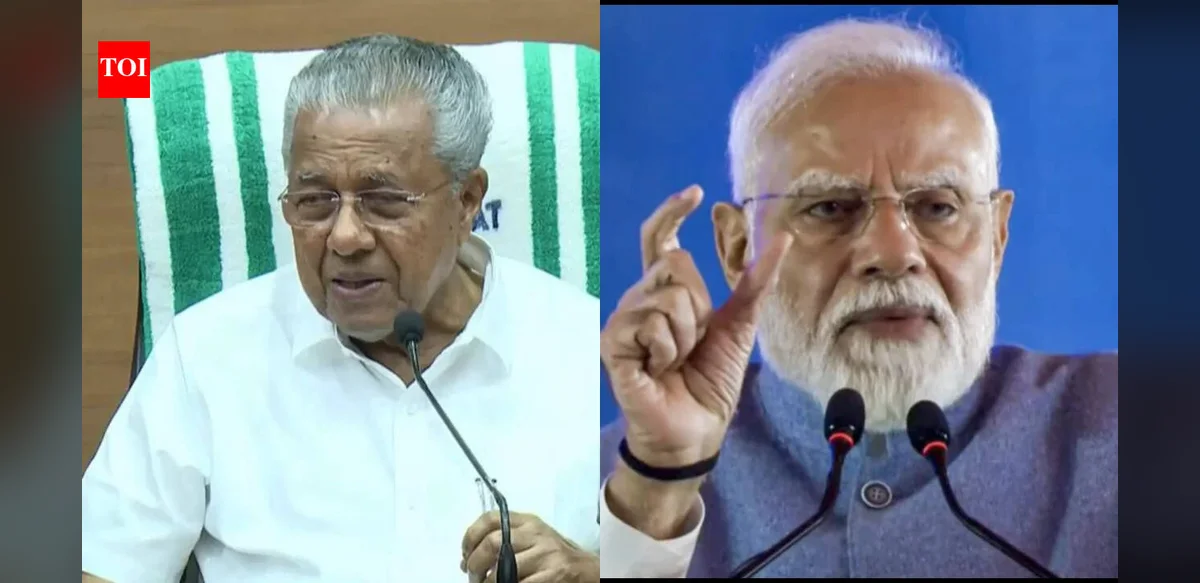
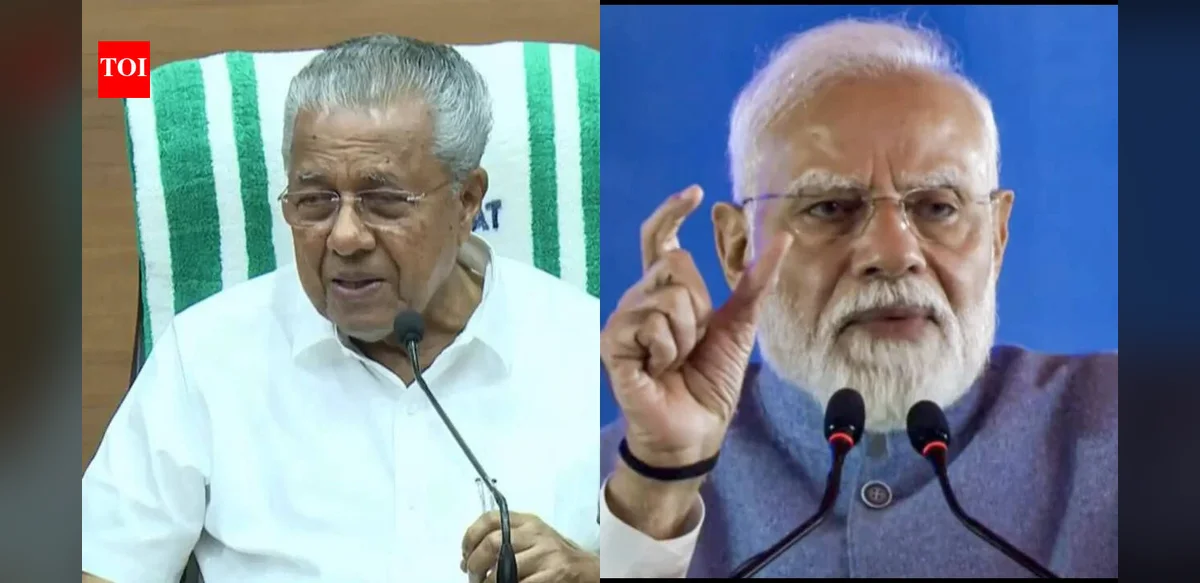
Kerala Chief Minister Pinarayi Vijayan has sharply criticized recent statements by Prime Minister Narendra Modi concerning wages and employment in the corporate sector. Vijayan argued that after more than a decade of policies favoring large companies through reduced tax rates and additional benefits, the sudden focus on worker compensation appears inconsistent. He described the remarks as an attempt to appeal to everyday citizens while overlooking the effects of earlier decisions.
The comments come amid ongoing national discussions about job creation and income levels in private industry. According to Vijayan, successive reductions in corporate taxation since 2014 have not translated into proportional increases in hiring or salary growth for most employees. He suggested that the emphasis on business incentives was presented as a route to broader economic gains, yet many workers continue to face stagnant pay and limited opportunities.
Observers note that such exchanges reflect deeper divisions in how different political figures interpret economic data. Government reports have shown mixed results on employment trends, with some sectors reporting expansion while others highlight persistent challenges for entry-level positions. Vijayan maintained that questioning corporations now serves mainly as a political gesture rather than a substantive policy shift.
In his address, the Chief Minister pointed to specific measures including tax cuts implemented in 2019 and subsequent relief packages during the pandemic period. These steps, he said, were justified at the time as necessary for investment and growth. However, he claimed the anticipated benefits for ordinary households have not materialized evenly across regions or income groups.
Political analysts view the exchange as part of wider debates on economic priorities ahead of upcoming electoral cycles. Supporters of the central government often cite overall GDP figures and infrastructure spending as evidence of progress, while state leaders like Vijayan emphasize disparities in wage distribution and regional development. The discussion also touches on the role of state governments in implementing labor regulations and skill programs.
Vijayan further stated that true concern for workers would involve direct interventions such as stronger enforcement of minimum wage laws and support for small enterprises rather than repeated references to corporate responsibility. He called for a more balanced approach that addresses both business competitiveness and household income security.
The remarks have prompted responses from various quarters, with some agreeing that policy continuity is needed and others defending the sequence of reforms as essential for long-term stability. Public reaction on social media and in local forums has been divided along familiar lines, reflecting ongoing conversations about inequality and opportunity.
Economic indicators released by official agencies continue to show gradual recovery in several industries, though experts caution that aggregate numbers may mask variations across states and job categories. Kerala officials have highlighted their own initiatives in education, health, and local employment schemes as alternative models.
As the national conversation evolves, statements from prominent leaders on both sides are expected to intensify scrutiny of fiscal policies and their social outcomes. Vijayan concluded by urging a return to priorities centered on equitable growth rather than selective criticism of private firms after years of supportive measures.





Comment
0Upholding journalistic discourse. No registration required.
No comments yet. Share your perspective!