

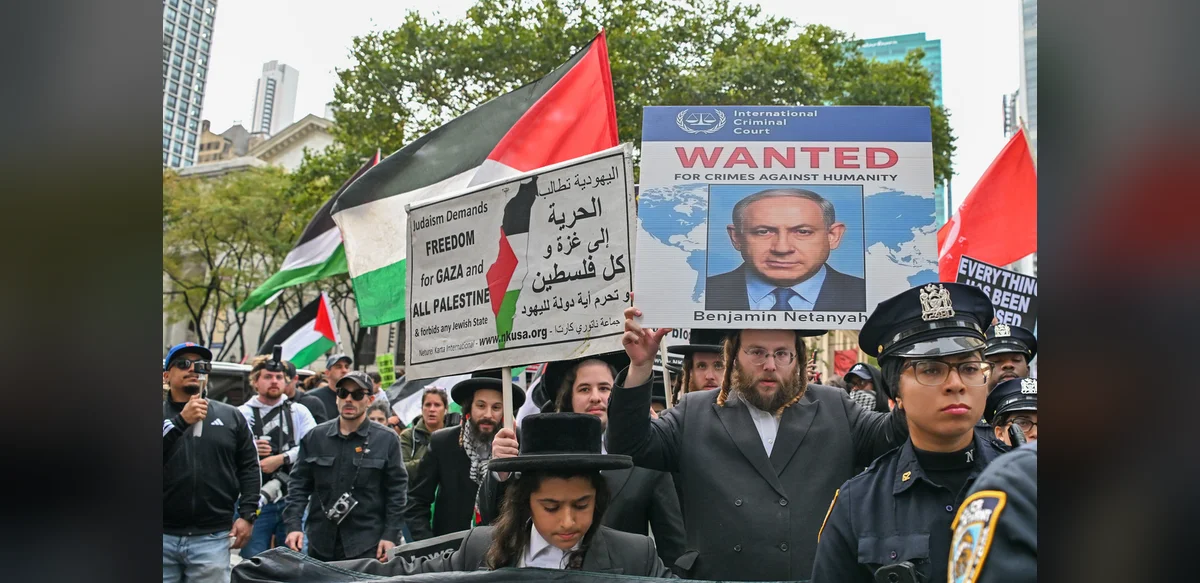
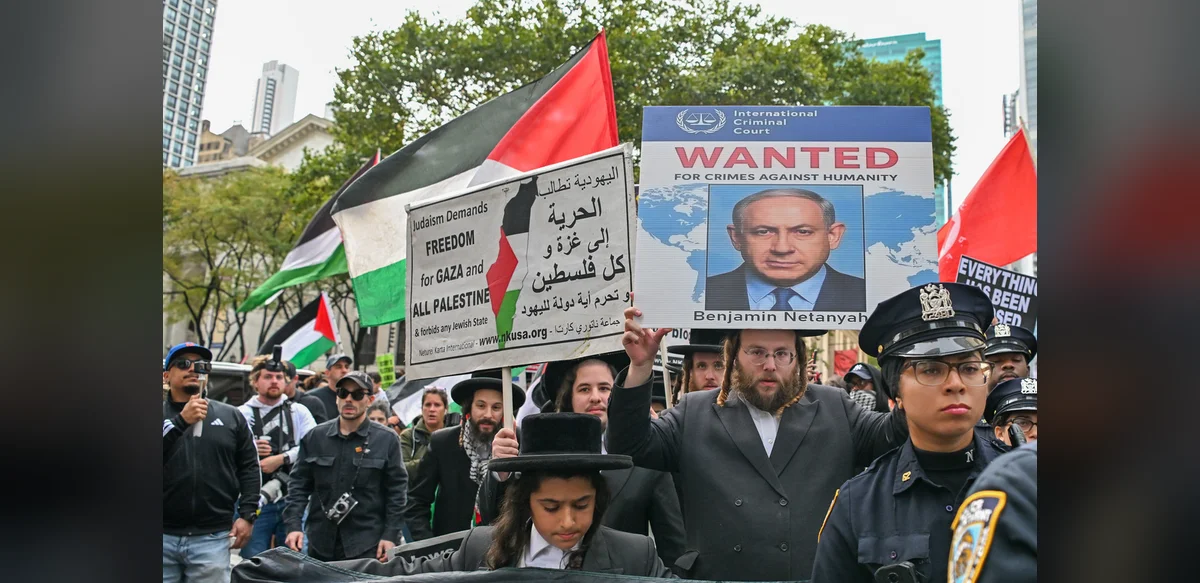
Two years have passed since the International Criminal Court issued an arrest warrant concerning alleged violations during operations in Gaza. The development placed significant pressure on Israeli leadership and its diplomatic relations worldwide. Observers note that restoring credibility on the global stage may require demonstrating commitment to transparent judicial processes.
Political negotiations inside Israel continue as parties seek the necessary parliamentary support to establish a stable administration. Discussions focus on reaching the required majority threshold amid competing priorities and coalition demands. Analysts suggest that any agreement will involve careful balancing of domestic concerns with international expectations.
The situation highlights ongoing tensions between national security considerations and adherence to international legal standards. Various stakeholders emphasize the importance of due process in addressing serious accusations. This approach could influence perceptions among foreign governments and institutions monitoring the region.
Regional dynamics remain complex with multiple actors involved in broader Middle East affairs. Diplomatic channels stay active as countries assess implications for bilateral ties and multilateral forums. Experts point out that consistent application of legal principles often serves as a foundation for rebuilding trust over time.
Public discourse within Israel reflects divided opinions on how best to navigate the current challenges. Some voices advocate for prioritizing internal stability while others stress engagement with external bodies. The debate underscores the multifaceted nature of governance during periods of heightened scrutiny.
International organizations continue to monitor developments closely. Reports from these entities often shape narratives that affect aid, trade, and cooperation agreements. Maintaining open lines of communication appears essential for managing potential fallout from the warrant.
Historical precedents show that nations facing similar legal and political hurdles have sometimes regained standing through demonstrated reforms and accountability measures. Such paths typically involve sustained effort across successive administrations. The current context presents an opportunity to apply lessons from past experiences.
Economic factors also play a role as uncertainty can influence investor confidence and market performance. Policymakers weigh these considerations alongside security and legal matters. Balanced strategies may help mitigate adverse effects while addressing core issues.
Civil society groups both locally and abroad contribute perspectives on justice and human rights. Their input adds depth to conversations about appropriate responses. Constructive dialogue among diverse parties could support progress toward resolution.
Looking ahead, the interplay between domestic politics and international law will likely remain central. Observers recommend focusing on procedural fairness as a means to strengthen institutional legitimacy. This emphasis might facilitate gradual improvement in global relations over the coming years.
Additional analysis reveals that coalition building requires addressing a range of policy areas from security to social services. Each concession carries potential consequences for long term governance. Careful evaluation of options helps leaders chart viable courses.
The role of media coverage in shaping public understanding cannot be overlooked. Accurate reporting based on verified information supports informed debate. Responsible journalism contributes to a clearer picture of evolving events.
In summary the path forward involves multiple dimensions including legal adherence political compromise and diplomatic engagement. Sustained attention to these elements may aid in restoring Israel’s position within the international community. Continued monitoring will provide further insights into outcomes.




Comment
0Upholding journalistic discourse. No registration required.
No comments yet. Share your perspective!