

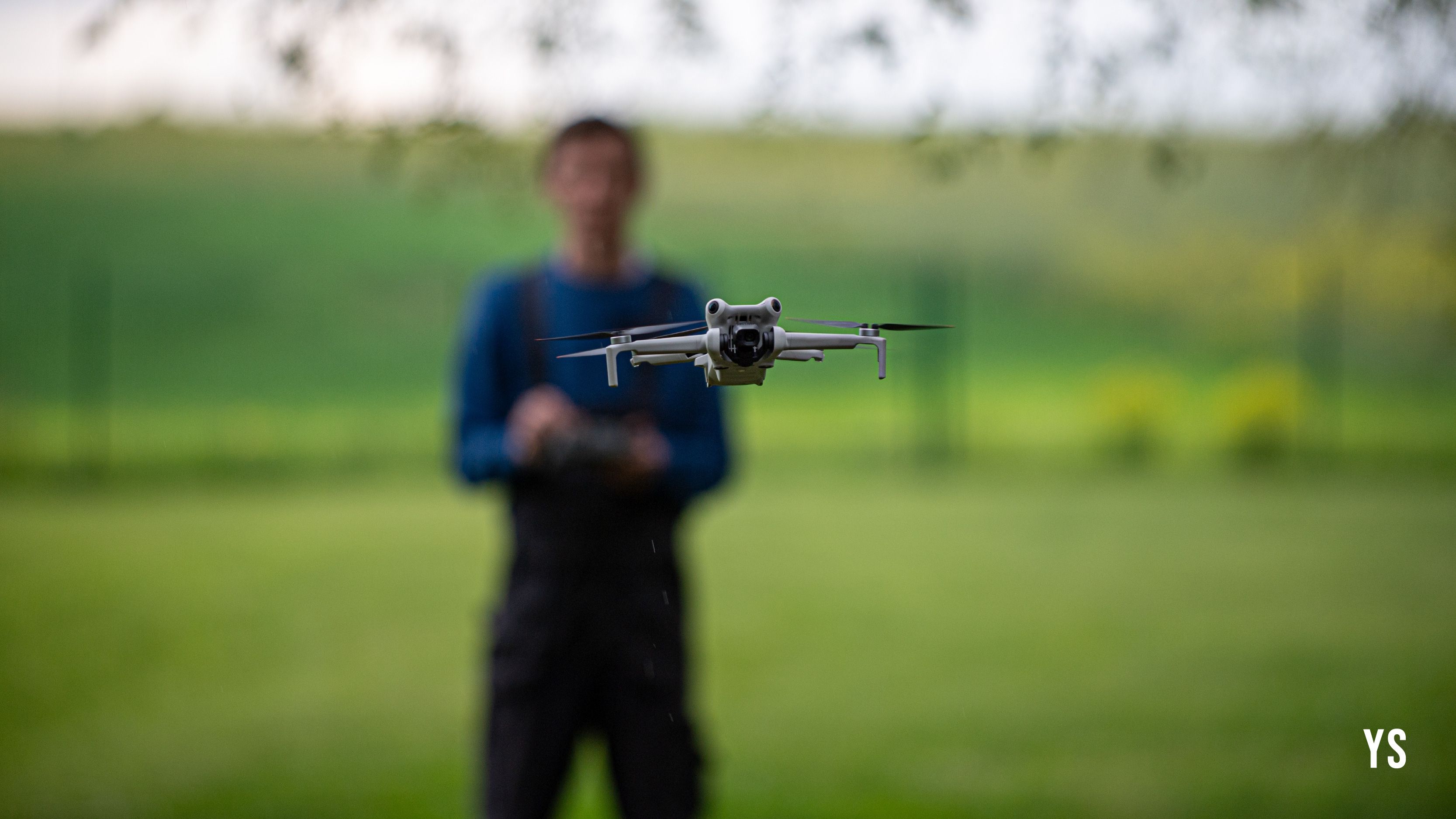

When we look at the value of a drone, it is easy to focus on the aircraft itself. How long can it fly? How much weight can it carry? How far can it travel? These are important questions, and they will continue to matter. But there is another question that deserves equal attention: what does the customer actually get from that flight?
A drone may spend several hours monitoring an area and return with a large volume of footage. Yet, if the operator has to spend several more hours reviewing that footage to identify something important, much of the benefit is lost. The real value lies not simply in collecting information, but in making sense of it and using it at the right time.
I believe this is where the next phase of the drone industry will take shape.
The value does not end when the drone lands
As drones become more widely used across defence, infrastructure, mapping, and homeland security, customer expectations are changing. Buying a drone is increasingly becoming the beginning of a larger operational requirement.
Consider a team monitoring a long stretch of border or inspecting a large infrastructure project. The drone can capture images, video and location data, but the customer needs more than these individual inputs. They need to know what has changed, whether something requires attention and what action should follow.
This is where software and artificial intelligence (AI) have a pivotal role to play. Automated video summaries, event detection, and searchable annotations can make it easier to find relevant information without having to watch hours of recordings. The idea is not to remove people from the decision-making process but to help them focus on what matters and make better-informed decisions.
Experience is difficult to replicate
There is something about technology that becomes clear only when it is used regularly in the field. A drone may perform well during testing, but actual operating conditions can be very different. Terrain, weather, temperature and connectivity can all affect how a system performs.
This is why the experience gained from real deployments matters. Across the industry, drone manufacturers are learning that building a reliable product is not just about getting the engineering right. It is also about understanding how customers use the technology, what difficulties they encounter and where improvements are needed.
The scale of deployments is important in this regard. Every mission provides an opportunity to understand how the aircraft, payload, software and communication systems perform in real conditions. Repeated operations can also reveal patterns that may not emerge during controlled testing.
Over time, this learning becomes an advantage. Companies that stay closely connected to actual operating conditions are better placed to develop technology that works outside controlled testing environments. It also helps them understand what customers need, rather than relying only on what they initially ask for.
Technology must work together
Intelligence is not limited to what happens to the data after a flight. It also depends on whether the drone can complete its mission reliably in the first place.
For instance, a drone operating in a challenging environment needs dependable communication and navigation. In defence applications, electronic interference, jamming and spoofing can create additional complications. Similarly, operations in remote locations may have limited network connectivity, making it important to process certain information closer to where it is collected.
This is why the industry needs to look at the entire technology stack rather than treating the aircraft, software, payload and communication systems as separate elements. Secure command-and-control systems, resilient navigation, edge computing and specialised payloads all contribute to the final outcome.
This shift is also reflected in India's evolving defence procurement priorities. The Defence Acquisition Council's recent approval of capital acquisition proposals worth approximately Rs 2.12 lakh crore includes requirements for Long Range UAS, Surveillance UAV, Integrated Surveillance and Strike Systems, and Long Range Kamikaze Drone Systems. With approximately 82% of the proposed procurements earmarked for the Indian industry, the direction is significant. It signals an opportunity for domestic manufacturers to move beyond building individual platforms towards developing integrated, mission-ready capabilities that address increasingly complex operational requirements.
This also helps reduce dependence on external technologies in areas where control, security and reliability are particularly important.
The business model will evolve with the technology
This shift also has implications for how drone companies build sustainable businesses. Hardware sales will remain an important part of the industry. However, the opportunity extends well beyond the initial sale of an aircraft. A drone has an operating lifecycle that involves software, analytics, maintenance, upgrades, training and support. Each of these can contribute to the value delivered to a customer over time.
Models such as Drone-as-a-Service, software subscriptions and analytics-led solutions can allow customers to access drone capabilities without having to manage every aspect of ownership and operations themselves. For providers, these models can create opportunities for longer-term customer relationships and a more diversified revenue mix.
From a business perspective, this also creates opportunities for repeat engagements and more predictable customer relationships. But these models will succeed only when they offer a clear economic or operational benefit. A customer will continue paying for a service if it helps reduce manual effort, improve efficiency or deliver information that was previously difficult to access.
The objective should not simply be to introduce more software or services. It should be to make the overall solution more useful to the customer.
The next opportunity is in delivering outcomes
The drone industry is still evolving, and there are challenges to address, particularly around data security, system integration, reliability and the economics of scaling these solutions. Not every application will require the same level of automation or intelligence. What matters is understanding the customer's actual requirement and developing technology accordingly.
As the market matures, I expect customers to place greater emphasis on the outcome rather than the specifications of the aircraft alone. They will want to know whether a drone can help them monitor an area more effectively, complete an inspection faster or respond to an incident with better information.
The aircraft will remain at the centre of this ecosystem, but it will be one part of a much larger solution. The companies that understand this shift early and invest in the right capabilities will be better positioned for the industry's next phase of growth.
Ultimately, the future of drones will not be determined only by how far they can fly or how long they can stay in the air but it will depend on how effectively every flight can be translated into intelligence, action and measurable value for the customer.
(Vipul Joshi is the CFO at ideaForge, an Indian aerospace and defense company)
(Disclaimer: The views and opinions expressed in this article are those of the author and do not necessarily reflect the views of YourStory.)




Comment
0Upholding journalistic discourse. No registration required.
No comments yet. Share your perspective!