

360° Perspective
Examining the First Captured Image of a Black Hole from Distant Galaxy
In a landmark announcement made on April 10 2019 researchers from an international collaboration shared the initial visual representation of a black hole. This object resides at the core of the galaxy M87 located approximately 55 million light years from Earth. The release marked a significant momen...
15 Nov 2026 · 360 News Admin
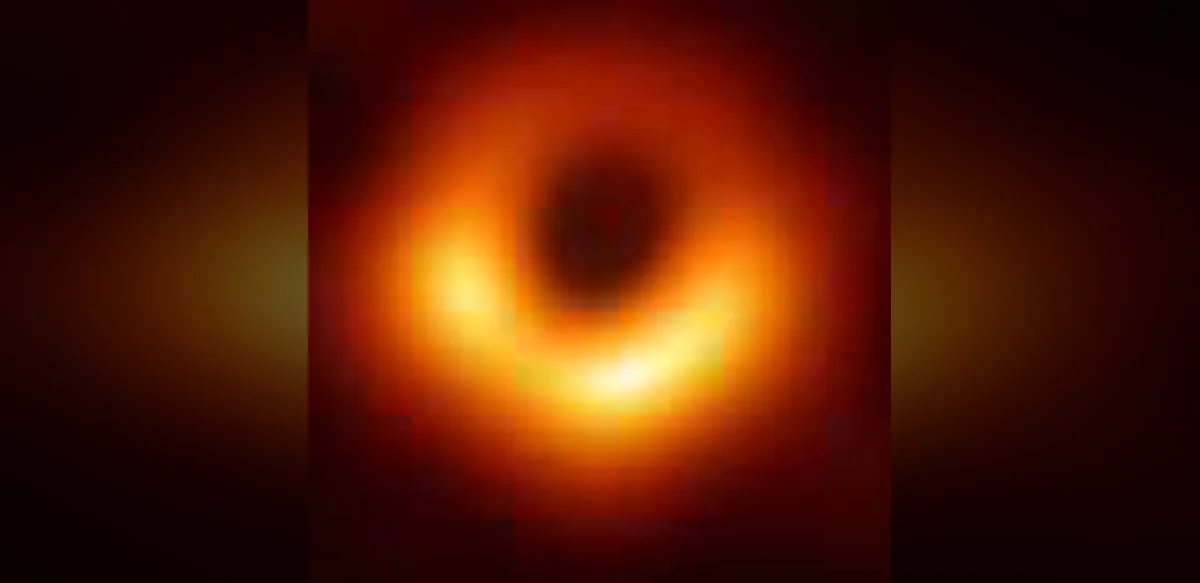
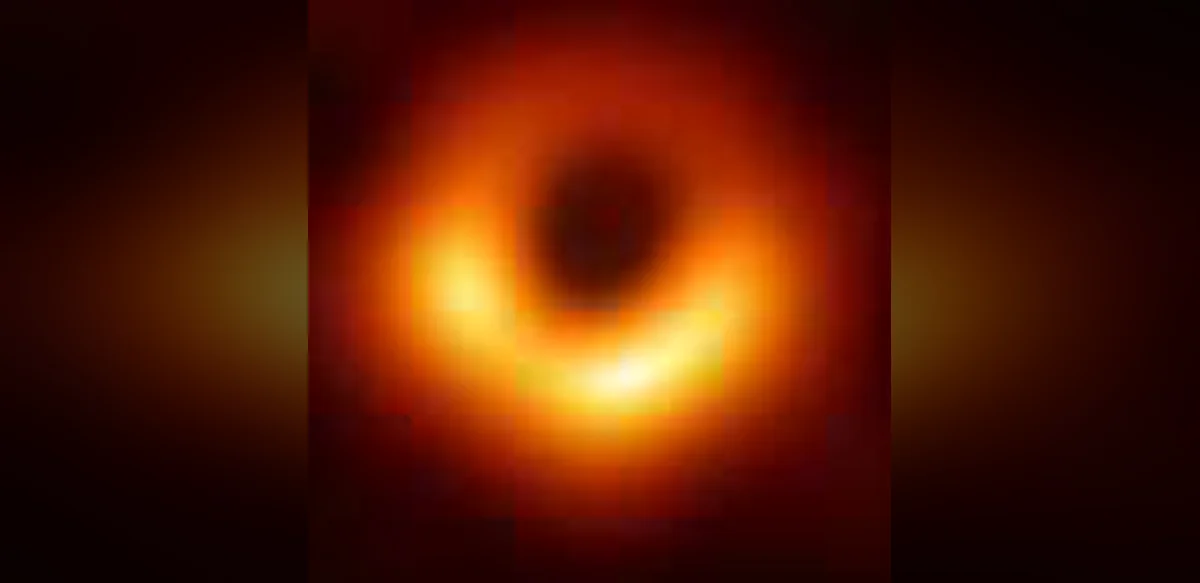
In a landmark announcement made on April 10 2019 researchers from an international collaboration shared the initial visual representation of a black hole. This object resides at the core of the galaxy M87 located approximately 55 million light years from Earth. The release marked a significant moment in astronomical observation as it provided the first direct image of such an entity.
The effort involved coordinated observations using a network of telescopes positioned across multiple continents. By combining data from these instruments the team constructed an image that depicts a bright ring like structure surrounding a dark central area. This structure aligns with theoretical expectations for how light behaves near a black hole.
The galaxy M87 itself has long been of interest to scientists due to its prominent jet of material extending outward. The black hole at its center is believed to be supermassive with a mass millions of times that of the Sun. The distance of 55 million light years means the light captured in the image left its source long before human civilization existed on Earth.
The collaboration emphasized the importance of independent verification in confirming such observations. Multiple teams analyzed the data separately to ensure consistency in the results. This approach helped strengthen confidence in the findings despite the challenges of imaging an object that does not emit light itself.
Public interest in the image was substantial following its release. It offered a tangible view of a phenomenon previously understood mainly through mathematical models and indirect evidence. The ring appearance results from the bending of light paths around the intense gravitational field.
Further details from the project highlighted the technical hurdles overcome during the process. Synchronization of observations required precise timing across vast distances. Data processing involved advanced algorithms to reconstruct the image from sparse measurements.
The event underscored ongoing advancements in observational capabilities. Instruments capable of detecting radio waves at millimeter wavelengths played a key role. These wavelengths allow penetration through dust and gas that might otherwise obscure the view.
Scientists noted that this initial image serves as a foundation for future studies. Subsequent observations could reveal changes over time or provide additional context about the surrounding environment. The distance involved illustrates the vast scale of the universe and the patience required for such discoveries.
Overall the announcement represented a convergence of theoretical predictions and empirical data. It demonstrated how global cooperation can address complex scientific questions. The image continues to inspire discussion about the nature of black holes and their role in galaxy evolution.
Additional context from related research indicates that black holes influence their host galaxies through gravitational effects and energy output. In the case of M87 the central object powers energetic processes observable at various wavelengths. The 55 million light year separation places this system in a relatively nearby cosmic neighborhood compared to more distant objects.
The project also involved careful calibration of equipment to account for atmospheric interference and other variables. Each participating site contributed unique perspectives that together formed a complete picture. This method known as very long baseline interferometry extends the effective resolution beyond what any single telescope could achieve.
In summary the April 2019 release provided a new window into extreme astrophysical environments. It confirmed aspects of general relativity under conditions not testable on Earth. The focus on M87 offered a starting point for broader investigations into similar systems throughout the universe.