

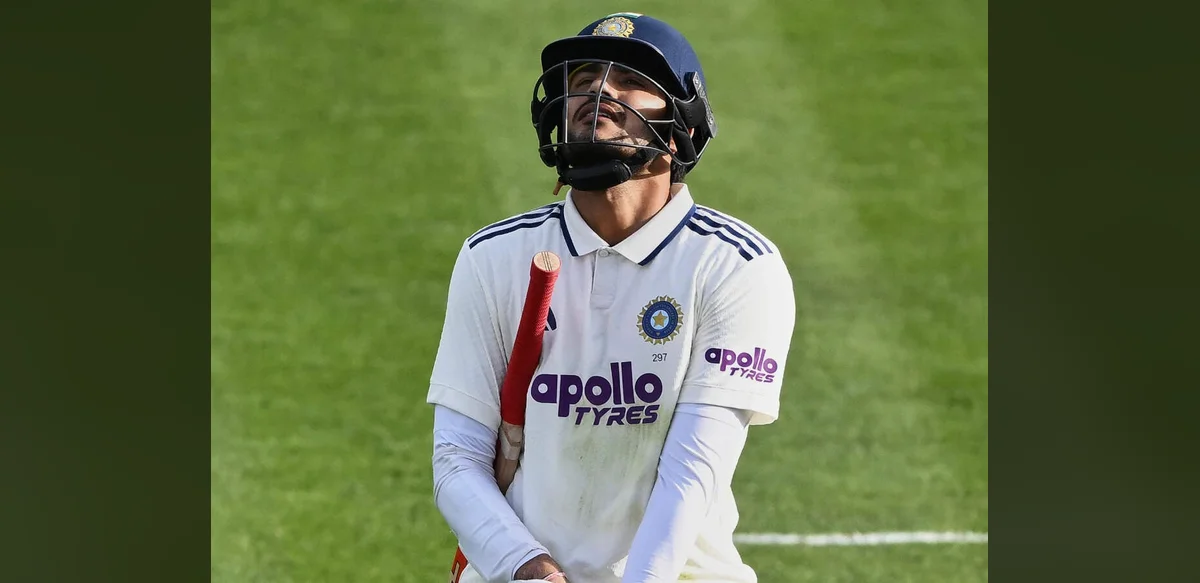
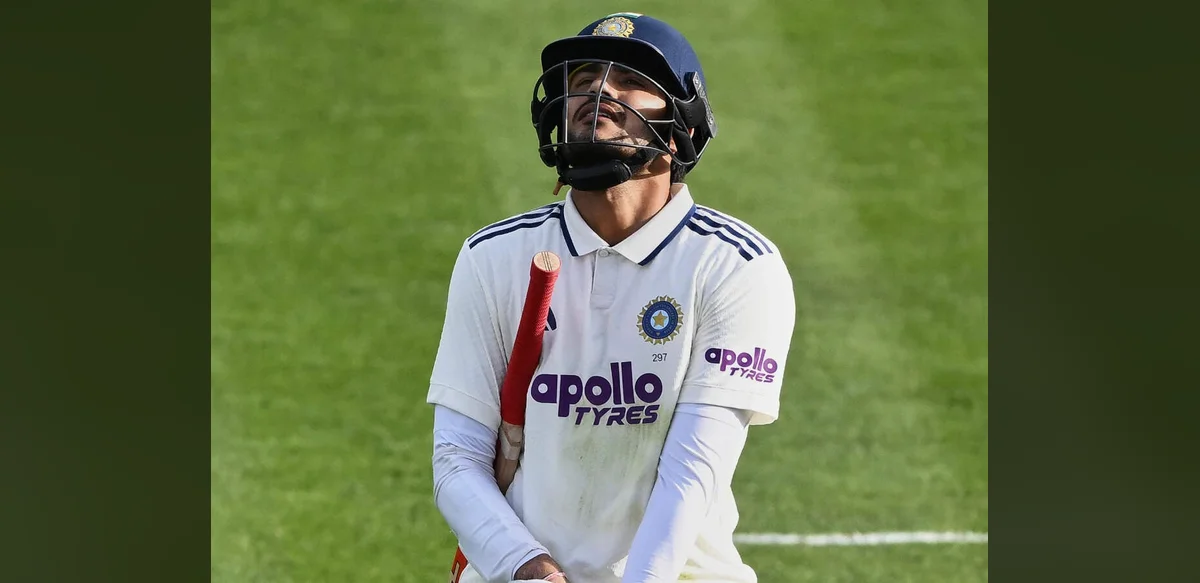
The second test match between India and New Zealand concluded in a draw, prompting widespread discussion regarding the leadership approach of the Indian captain. Observers noted that the initial phase of his tenure in the longest format has encountered notable challenges, requiring a more assertive style of decision making moving forward.
Critics have focused attention on several selection decisions made during the match, especially those involving the bowling unit. Choices regarding specific players were seen by some analysts as suboptimal when compared to other available options. This has led to questions about the overall strategy employed in assembling the playing eleven for the contest.
The influence of the team coach has also been highlighted in recent assessments. With the coach playing a significant role in shaping team direction, there appears to be a growing expectation for the captain to demonstrate clearer authority in key moments. Such dynamics are common in high level team environments where multiple voices contribute to planning and execution.
This scenario underscores broader principles applicable to leadership in competitive sports. Effective captains must balance input from support staff with their own judgments on player deployment and tactical adjustments. In test cricket, where matches unfold over multiple days, these decisions can significantly impact outcomes and team morale.
Historical precedents in international cricket show that new leaders often face periods of adjustment. Early successes can create momentum, yet setbacks provide opportunities for refinement. The current situation serves as a reminder that sustained performance depends on evolving strategies and learning from on field experiences.
Team selection remains a critical aspect of captaincy. Balancing experience with emerging talent requires careful evaluation of form, conditions, and opposition strengths. In this instance, alternatives in the bowling department were considered more suitable by commentators, illustrating the complexities involved in finalizing lineups under pressure.
Moving ahead, the focus will likely remain on how the captain adapts to these observations. Building a cohesive unit that responds effectively to varying match situations will be essential. Leadership in cricket extends beyond on field calls to include fostering team unity and maintaining focus during extended periods of play.
The draw against New Zealand highlights both strengths and areas for improvement within the Indian setup. While the team showed resilience in certain phases, the overall result has sparked conversations about refining approaches to captaincy. This process is integral to long term development in any sporting organization.
In conclusion, the episode emphasizes the evolving nature of leadership roles in professional sports. As the captain navigates these early challenges, the emphasis on decisive actions and strategic clarity will continue to be central themes in assessments of team performance.




Comment
0Upholding journalistic discourse. No registration required.
No comments yet. Share your perspective!