

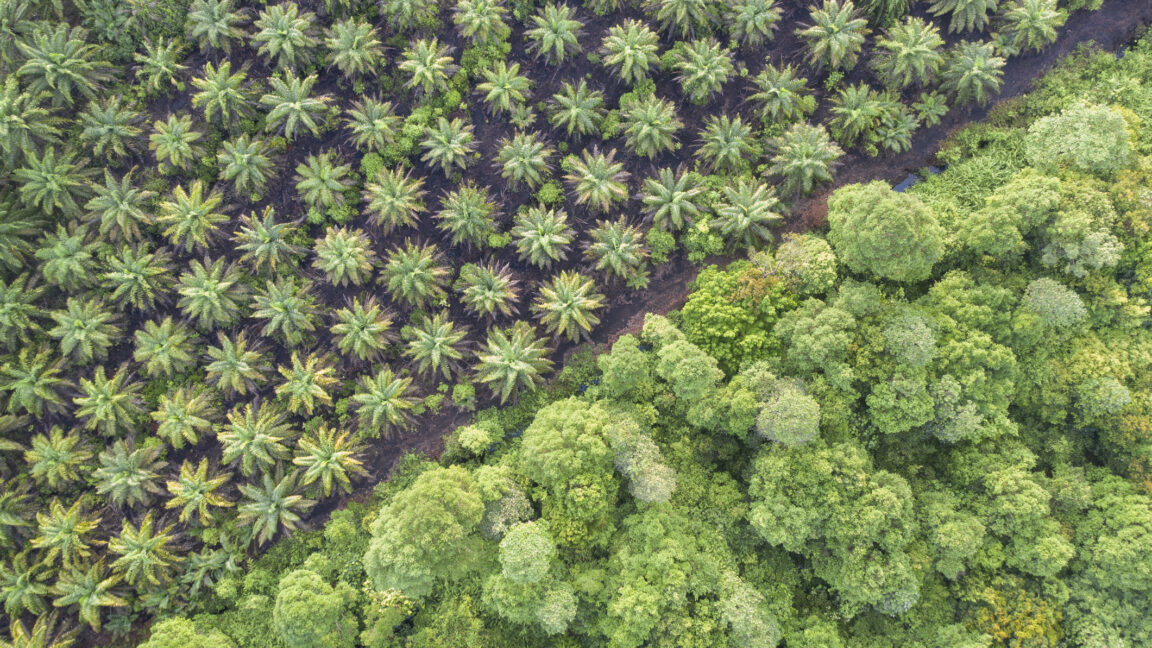
Much of the focus for human-caused climate change is on fossil fuels, which are creating most of our problems. But land use change is also a large component of the story, accounting for about one-third of total historical CO2 emissions. Deforestation plays a major role here, but practices like draining wetlands also factor in. Exactly how much of our history of eliminating wetlands has contributed to warming is challenging to figure out. But thanks to new sources of data that measure emissions from today’s surviving wetlands, it’s possible to put a better number on it.
A new study led by Jevan Yu at MIT focuses on peatlands—environments like bogs and fens where organic matter accumulates into thick layers of material. Some 600 billion tons of carbon are held in these vast stores of peat, which is more than you can find in all the world’s living vegetation, the researchers note.
Because these areas are permanently inundated, any oxygen in the water is quickly used up, leaving the job of decaying all that organic matter to anaerobic bacteria that work much more slowly and don't digest everything. So instead of seeing organic carbon turning into the CO2 gas released by aerobic bacteria, in peatlands, a subset of it gradually turns into methane gas. Methane is an even more potent greenhouse gas than CO2 itself and ultimately gets oxidized into CO2. That means there’s a little trade-off from peatlands—most of the carbon they have is kept out of the atmosphere, but the carbon that does escape does so as methane.





Comment
0Upholding journalistic discourse. No registration required.
No comments yet. Share your perspective!