

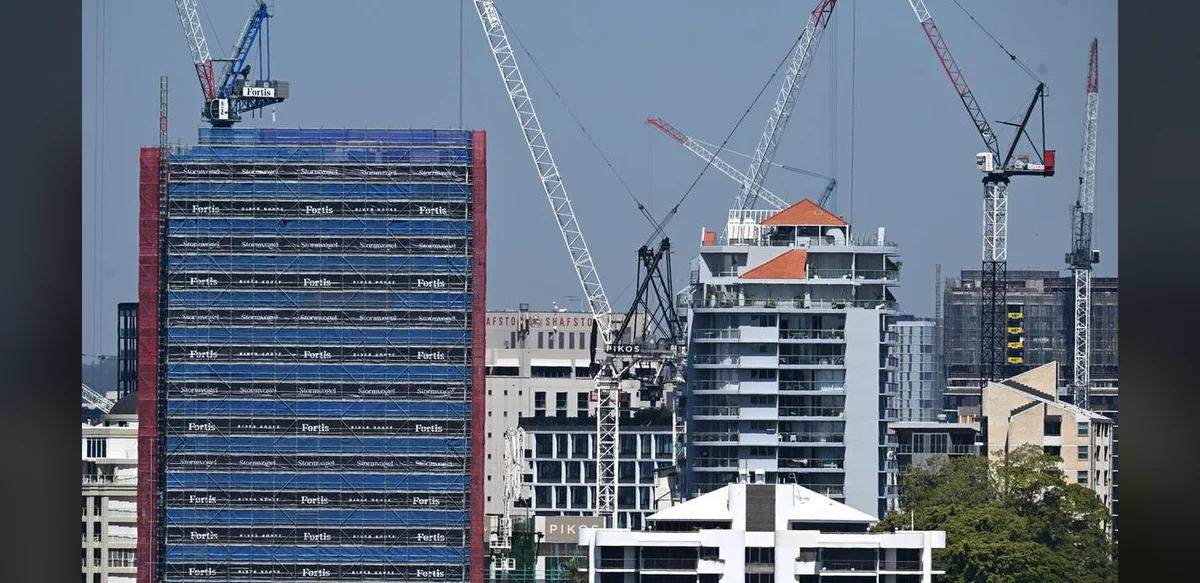
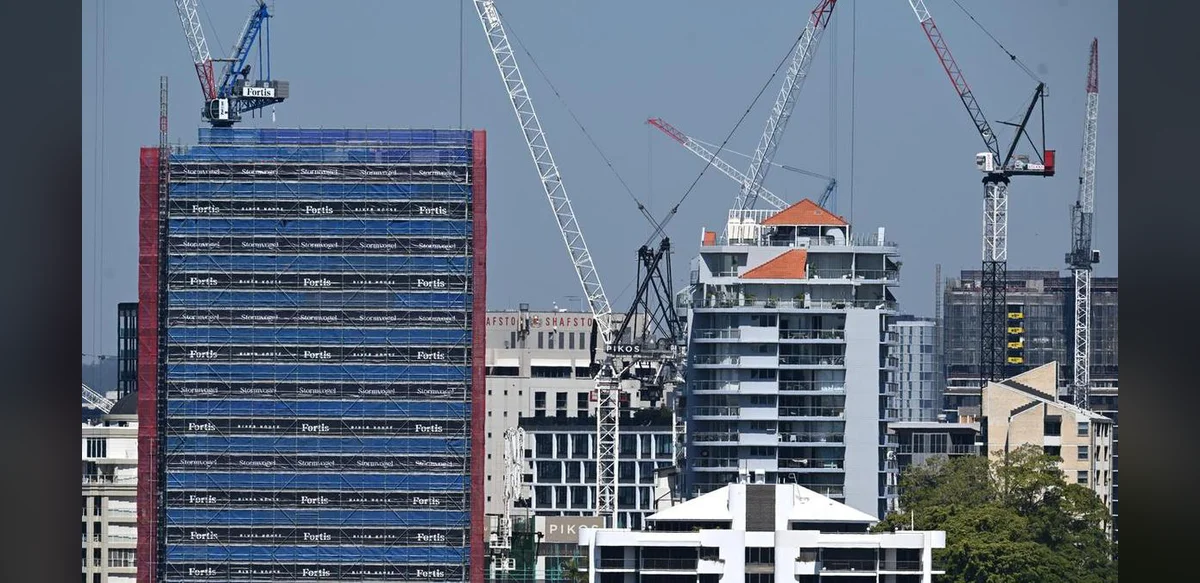
The construction sector is facing calls for significant reforms following an investigation into ongoing challenges. Industry observers have highlighted the need for a revised building code along with the establishment of an independent oversight body. These measures are seen as essential steps to address persistent problems that have affected projects across the country.
Recent examinations have pointed to substantial financial overruns totaling billions of dollars in various developments. Such issues have raised concerns about efficiency and accountability within the field. Additionally, reports have noted instances of aggressive practices that impact workers and smaller contractors. The combination of these factors has prompted discussions about long-term solutions to restore confidence in the industry.
Proponents of change argue that current regulations are insufficient to handle the complexities of modern building projects. A new code could introduce clearer guidelines on materials, safety protocols, and project timelines. This would aim to reduce errors and disputes that often lead to delays and increased costs. Meanwhile, a dedicated regulator might provide consistent monitoring and enforcement, ensuring compliance across all levels of operation.
Stakeholders from different parts of the sector have expressed varied opinions on the proposed fixes. Some emphasize the importance of collaboration between government and private entities to implement these changes effectively. Others stress the value of training programs to equip professionals with updated knowledge and skills. The overall goal remains to create a more transparent and reliable environment for construction activities.
The investigation has also shed light on broader economic implications. Cost overruns can strain public budgets when involving government-funded infrastructure. They may also affect private investments by increasing risks for developers. Addressing bullying and related workplace issues could improve productivity and morale among employees. These elements together contribute to a healthier sector that supports economic growth.
Looking ahead, policymakers are expected to review the findings in detail before drafting legislation. Public consultations may be held to gather input from experts, unions, and community representatives. Such inclusive approaches often lead to more balanced outcomes that consider multiple perspectives. The timeline for implementation remains uncertain but is viewed as a priority by many involved.
In the meantime, companies are encouraged to review their internal practices voluntarily. Adopting best standards early could position them favorably once new rules take effect. This proactive stance might help mitigate future risks associated with non-compliance. Education campaigns could further support the transition by raising awareness about potential pitfalls.
The situation underscores the dynamic nature of the construction field, where external pressures and internal challenges intersect. Continued dialogue among all parties will be crucial for navigating the path forward. By focusing on structural improvements, the industry can work toward minimizing disruptions and enhancing overall performance. Observers note that similar reforms in other sectors have yielded positive results over time when executed thoughtfully.
Additional considerations include the integration of technology to support regulatory efforts. Digital tools for tracking project progress and expenditures might offer greater visibility. This could complement human oversight by providing data-driven insights. Environmental factors and sustainability requirements may also feature in updated codes to align with contemporary priorities.
Ultimately, the push for reform reflects a desire to strengthen foundations within the construction domain. With billions at stake and reputations on the line, decisive action appears necessary. The coming months will likely reveal more about the specific directions these initiatives will take. Industry participants remain attentive to developments that could reshape operational landscapes significantly.