

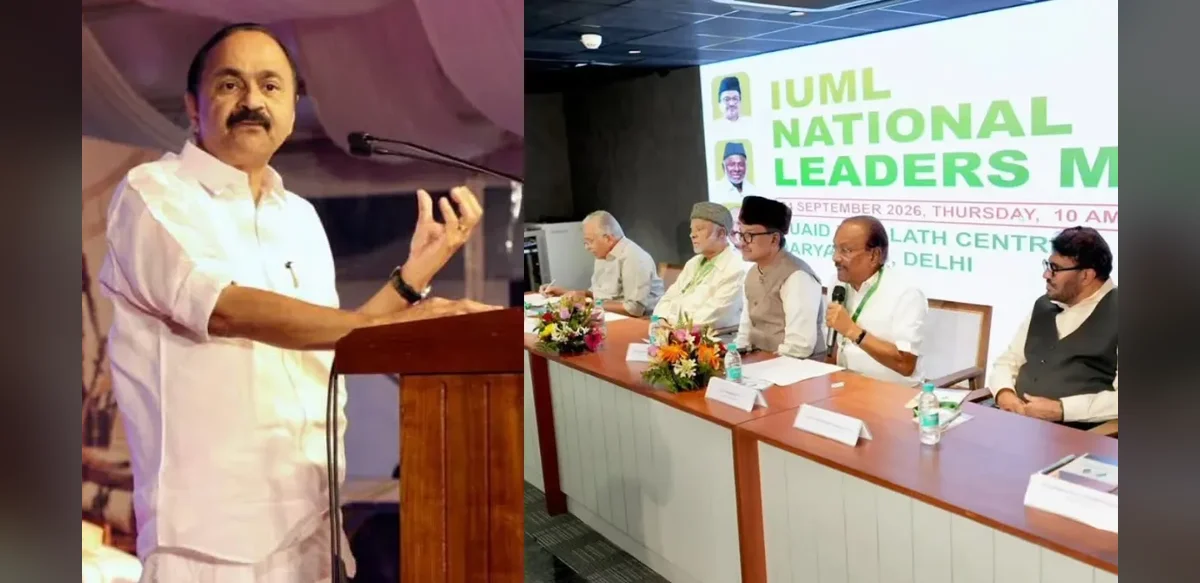
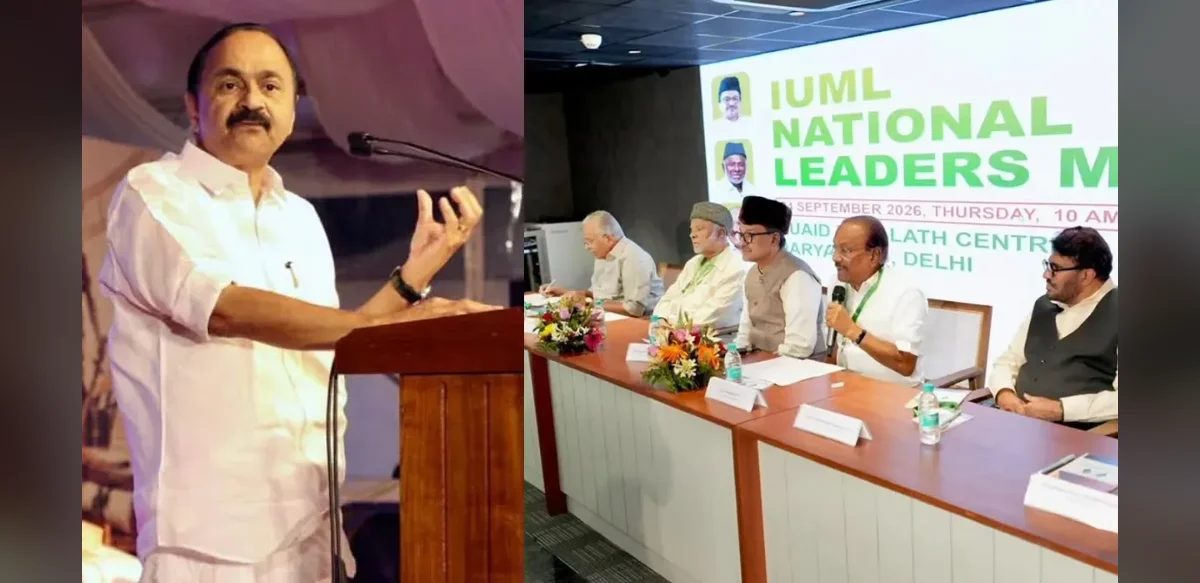
The Congress-led United Democratic Front administration in Kerala has encountered notable internal differences during a recent cabinet session in the state capital. Ministers raised objections to several decisions made by the chief minister regarding key appointments and policy matters. These exchanges occurred as the coalition marked six months since taking office in mid-May of the previous year.
One major point of discussion involved a proposed list of candidates for the state public service commission. Several ministers indicated that the selections had been prepared without sufficient input from the broader cabinet. Similar concerns were voiced about nominations for the Guruvayur Devaswom Board, where coalition partners felt their suggestions had not received adequate consideration.
The higher education legislation also prompted extended debate lasting nearly an hour. Cabinet members expressed varying views on specific clauses before ultimately delegating final adjustments to the chief minister. Following the session, the five public service commission nominees were approved, with four affiliated with Congress and one with the Indian Union Muslim League.
Participants agreed that future statutory appointments would require prior consultation among coalition members. Reports of the closed-door exchanges later appeared in media outlets. The chief minister later described the exchanges to reporters as a normal aspect of democratic processes and emphasized that all final decisions had been reached through consensus.
He contrasted the current arrangement with the previous state government, noting that ministers were free to voice differing opinions. Earlier statements from the United Democratic Front convenor had already pointed to limited consultation on several administrative choices, with some information reportedly learned through news reports.
Additional friction has arisen over the allocation of positions on various boards and corporations. Party workers from different Congress groups have expressed frustration at delays in these appointments six months into the government’s term. One longstanding internal Congress grouping has held meetings to discuss these issues and plans to raise them with the party’s national leadership.
This grouping alleges that some positions remain occupied by individuals linked to the opposition while its own recommended candidates have not been accommodated. It further claims that the chief minister has shown greater willingness to accommodate the Indian Union Muslim League than certain Congress factions. The league has reportedly received twenty-two such positions.
These developments have prompted questions about coalition dynamics and decision-making processes within the United Democratic Front. The chief minister has maintained that the cabinet operates on principles of open discussion and collective agreement. Observers note that the situation reflects ongoing adjustments as the new administration settles into its responsibilities.
The revenue minister and the electricity minister, who also serves as the state Congress committee president, were among those who voiced reservations during the cabinet session. The electricity minister had previously expressed differing views on power procurement from neighboring states. These positions have now been brought into sharper focus through the recent cabinet proceedings.
Party sources indicate that the former A faction within Congress, historically associated with rivalry between two senior leaders from earlier decades, has coordinated its response. The group intends to seek intervention from the central party organization to address perceived imbalances in appointment distribution. An online meeting of the state Congress committee reportedly featured similar expressions of concern.
The influence of the Indian Union Muslim League within the coalition has emerged as another area of discussion among some Congress members. Leaders have questioned whether the league receives preferential consideration in government decisions compared with other partners. The chief minister has rejected suggestions of serious divisions, describing the cabinet as cohesive despite occasional disagreements.
As the administration completes its initial half-year, attention remains on how these internal matters will be resolved and whether further consultations will address the concerns raised by various factions. The developments underscore the complexities of managing a multi-party coalition government in the state.

Comment
0Upholding journalistic discourse. No registration required.
No comments yet. Share your perspective!