

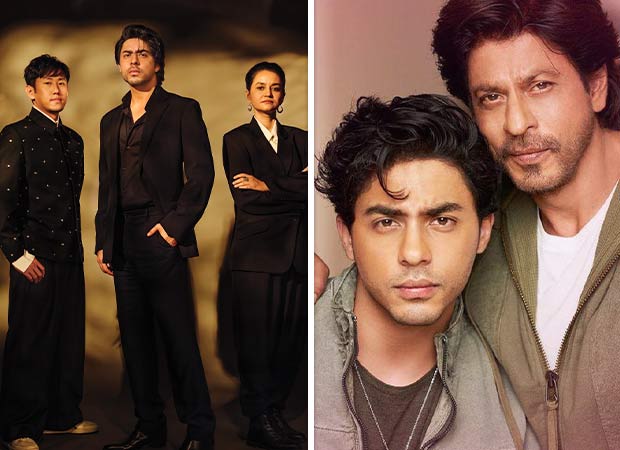
Indian cinema is witnessing a shift as changing audience preferences, the growing influence of streaming platforms and declining theatrical footfalls reshape the industry. While mainstream films have traditionally relied on larger-than-life storytelling, action and drama, a new generation of filmmakers is exploring different ways of telling stories. TIME magazine has spotlighted Aryan Khan, Payal Kapadia and Theja Rio as three emerging voices bringing distinct perspectives to Indian cinema.
The three filmmakers come from different backgrounds and have contrasting approaches to filmmaking. However, their work reflects the changing possibilities of Indian storytelling, from mainstream entertainment and independent cinema to narratives rooted in regional cultures.
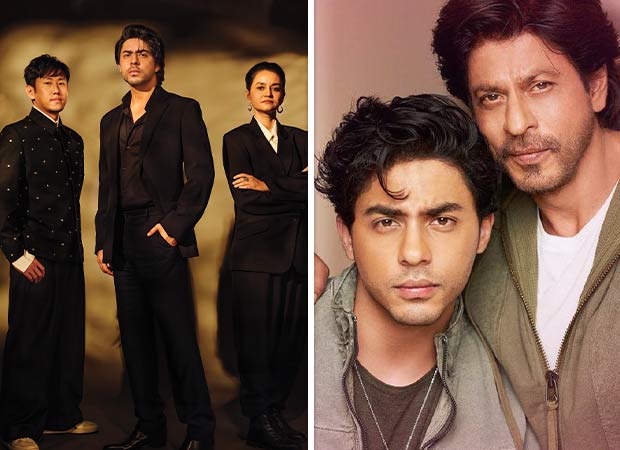
Aryan Khan, son of Bollywood superstar Shah Rukh Khan, is attempting to bring a different perspective to mainstream entertainment. He made his directorial debut in 2025 with Netflix’s The Ba*ds of Bollywood, a satirical series that explored the workings of the Hindi film industry through humour, backstage drama and familiar industry stereotypes. The show, produced by his parents’ company, also received recognition at award ceremonies this year.
During his interaction with TIME, Aryan spoke about constantly being compared to his father and said, “Everyone has been compared to him. It’s fine if I’m one of the people,” he said with practiced ease. “I take it as a compliment to be compared to the number one guy. He’s a beast.”
Despite coming from a prominent film family, Aryan has chosen to work behind the camera. Discussing his creative abilities, he said, “I am good at bringing ideas to life, from getting them down on paper to seeing things through to execution,” he said.
The filmmaker is currently working on the second season of The Ba*ds of Bollywood, alongside another writing project. Sharing his understanding of cinema and storytelling, he explained, “The story is the same. Now how you can make that different, and how you add a spin on it, and how you tell it, is what filmmaking really is.”
While Aryan is exploring mainstream entertainment, Payal Kapadia is continuing the legacy of India’s Parallel Cinema movement through films that combine reality, fiction and fantasy. Her feature film All We Imagine as Light won the Grand Prix at the Cannes Film Festival in 2024, bringing international attention to her storytelling.
The film follows three women navigating their lives in Mumbai, with the city becoming an important part of the narrative. Its story also touches upon issues such as housing, displacement and the changing urban landscape. Explaining her approach to filmmaking, Kapadia said, “Life is more interesting than cinema,” Kapadia, 40, says during an interview at her production office in Mumbai.
She also spoke about the responsibility of filmmakers to engage with the world around them, stating, “We don’t live in a void as filmmakers. You can choose to live in a void, you can choose to say that you don’t want to engage with anything, but that would be very strange for me.”
Kapadia’s interest in cinema was influenced by growing up around artists, including her mother, who is a visual artist. Recalling that environment, she said, “That was a huge influence on me. I didn’t realize how important it was till I went to film school.”
Her next film, which is currently in pre-production, will explore three decades of Mumbai’s history and document neighbourhoods undergoing rapid development. Describing the project, she said she wants to be “documenting the spaces before [they’re] gone.”
The third filmmaker highlighted by TIME is Theja Rio, whose work brings stories from Nagaland and the Indigenous Konyak community to a wider audience. His debut feature Angh explores the lives of a village chief and his son in the 1960s as Christianity begins influencing their community.
Rio travelled across Nagaland to find members of the Konyak tribe for the film. His initial casting call received just one response, prompting him to continue searching for people who belonged to the community and spoke its language as their mother tongue.
Explaining his approach, Rio said, “The film is from the perspective of the subject not the explorer.” He further stated, “I was adamant that we cast people from the same tribe who spoke the language as their mother tongue.”
The filmmaker eventually found his lead actor, Anglong Konyak, through YouTube. Recalling the challenges of making the film, which had a budget of approximately $525,000, Rio said, “Every creative decision felt like I was shooting myself in the foot—shooting on film, working with non-actors. But I think it sort of paid off.”
Angh went on to win the Platform Prize at the Toronto International Film Festival and secured a place in the race for the Academy Award for Best International Feature Film under a new rule.
Speaking about the themes explored in his debut, Rio said, “I like to make films about things I’m conflicted about. I have no interest in making films about things I’m sure about.”
He also described the personal connection behind the project, adding, “My family is Christian, I’m Christian. A lot of us are Christian. But [the film] is also a form of self-reflection,” he says. “I wanted my first film to be a strong reflection of who I am as an artist…. something rooted in my culture and identity.”
Rio hopes to expand the scale and reach of filmmaking from Nagaland with his future projects. Talking about his ambitions, he said, “Bigger in budget, bigger in ambition,” he says. “Big enough to have Hollywood actors come and shoot.”
Through their different backgrounds and filmmaking approaches, Aryan Khan, Payal Kapadia and Theja Rio reflect the changing face of Indian cinema, where mainstream entertainment, independent storytelling and regional narratives are finding new ways to reach audiences.
Also Read : Aryan Khan and Gauri Khan attend D’YAVOL X eyewear’s retail debut in Mumbai