

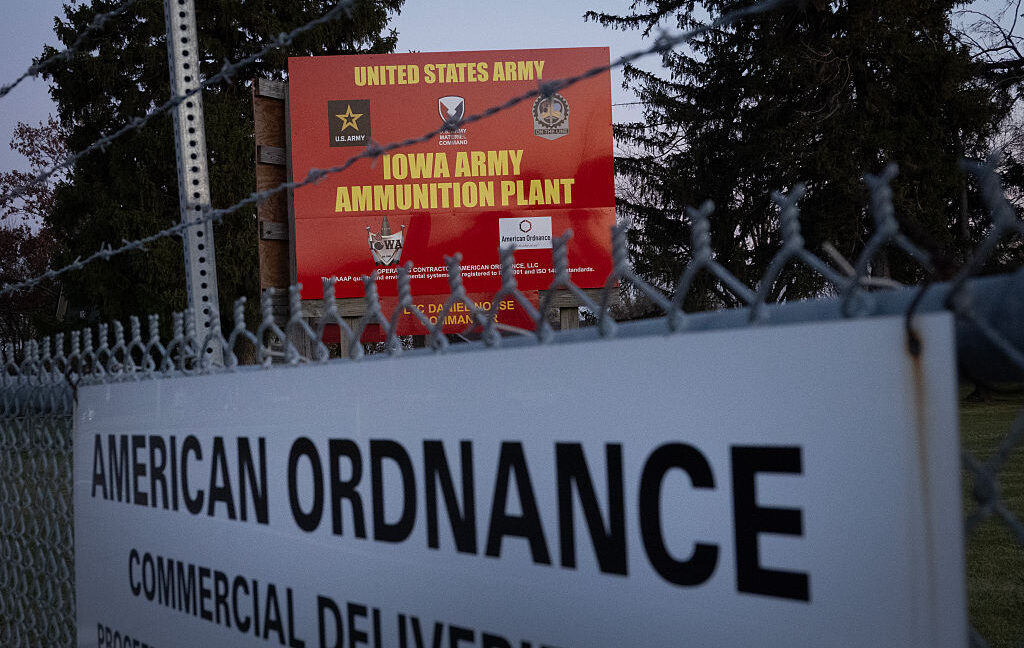
In a swirl of questions, fears, and outrage, the US Army announced late Thursday that it would delay a plan to blow up 68 deteriorating barrels of lead azide, which would launch toxic gas and lead into the air. The plume, containing neurotoxic lead, could potentially drift 100 miles north of the Army installation housing it in Middletown, Iowa, according to modeling released by the Army earlier this week.
The Army had planned to carry out two controlled detonations, set off simultaneously around noon Friday, to destroy the barrels where they lie, which is in earth-covered concrete containment structures (called earth-covered magazines or ECMs). Now the Army plans to wait until November 23 to provide more time to communicate about the situation with Iowans, who have reported being unaware of the detonations until earlier this week.
"Public communication is essential to public trust," Acting Secretary of the Army Adam Telle said in a post on social media at 7:31 pm ET Thursday. "Therefore, the Army will continue to actively engage with state and local officials throughout the region to distribute accurate, up-to-date information."



Comment
0Upholding journalistic discourse. No registration required.
No comments yet. Share your perspective!