

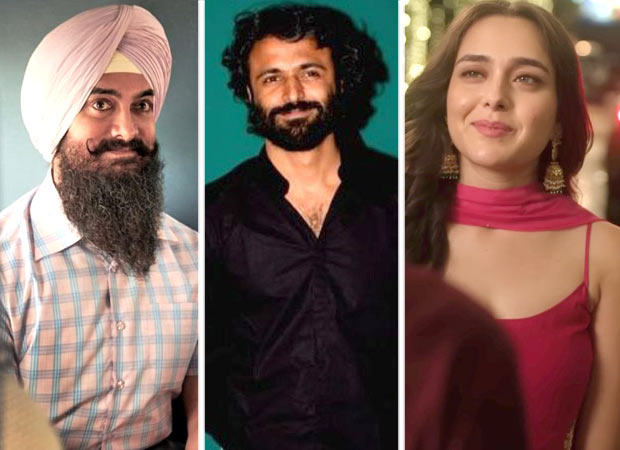
Advait Chandan, who made a smashing directorial debut in Bollywood with Secret Superstar (2017) and followed it up with Laal Singh Chaddha (2022) and Loveyapa (2025), has now ventured into the rapidly growing world of microdramas. Last month, a charming microdrama titled Don’t Go Na dropped on various digital platforms. Interestingly, not many are aware that the series has been directed by Advait Chandan and also doubles up as a branded entertainment initiative for the popular mango-based beverage, Maaza.
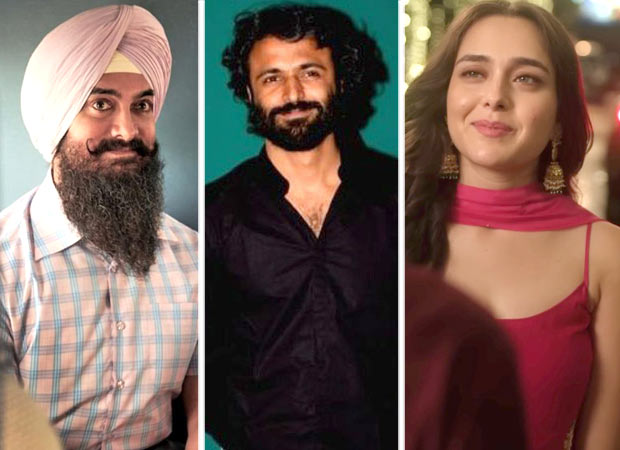
Don’t Go Na revolves around a young couple, Aarav (Chetan Dhawan) and Trisha (Rishita Kothari), who meet at a Diwali party. Sparks fly between the two and they desperately wish to spend some time alone. However, Trisha’s mother and the ever-interfering relatives ensure that their budding romance is constantly interrupted, leading to some amusing situations. The series comprises seven episodes with a combined runtime of approximately 21 minutes, with each episode lasting around two to three minutes.
Besides Chetan Dhawan and Rishita Kothari, Don’t Go Na also stars Shrikant Verma, Nilu Kohli, Girish Dhamija and Sahil Patel. Interestingly, the microdrama boasts an impressive technical team. The cinematography is by Tushar Kanti Ray of Shor In The City (2011), D-Day (2013), Kedarnath (2018), Maidaan (2024) and Tere Ishk Mein (2025) fame. The editing is by Antara Lahiri, whose previous credits include Loveyapa, The Royals, Delhi Crime, Four More Shots Please, etc.
Advait Chandan recently spoke to The Times of India about his experience of making a microdrama and why fiction could offer brands a refreshing alternative to conventional influencer marketing. He said, “People are a little bored with this whole influencer selling you stuff, because there’s just so much of that… Fiction offers a way out with less testimonial and more world-building.”
He added, “Your strategy is different, but the game is the same. You play a Test match, a T20 and a one-day differently.”
Advait Chandan also admitted that shooting in the vertical format for the first time took some getting used to. He said, “I had been trained for 20 years to hold the camera horizontally. Suddenly, I was holding it vertically. Your whole grammar changes.”


Comment
0Upholding journalistic discourse. No registration required.
No comments yet. Share your perspective!