

Active mutual funds emerge investor favourites, garner 81% of FY27 NFO inflows
ET Intelligence Group: Passive funds dominated mutual fund launches in FY27 so far, but actively managed schemes cornered more than 81% of the money raised through new fund offers (NFOs). A study of the industry data showed passive schemes, including index funds and Exchange Traded Funds (ETFs accou...
Published
Original News Source
Economic Times — Top Stories
Source Website
economictimes.indiatimes.com ↗
Content & Media Rights
Economic Times — Top Stories
Editorial Publisher
360 NEWS (Independent Media)

360 News
ET Intelligence Group: Passive funds dominated mutual fund launches in FY27 so far, but actively managed schemes cornered more than 81% of the money raised through new fund offers (NFOs). A study of the industry data showed passive schemes, including index funds and Exchange Traded Funds (ETFs accounted for 63% of all mutual fund new fund offers in the first seven months of FY27 but garnered less than 19% of the money raised.Fund houses launched 87 passive schemes that mobilised ₹3,200 crore between April and October 2026, compared with ₹14,200 crore raised by 51 actively managed funds, according to Association of Mutual Funds in India (AMFI) data.136144524The divergence reflects investors' preference for actively managed funds amid expectations of superior returns and distributors' greater incentive to sell these products because of higher commission payouts."Over the past two years, the stock market has been volatile, yet several active funds have beaten their benchmark indices and outperformed passive schemes," said A Balasubramanian, MD and CEO, Aditya Birla Sun Life AMC.Read more: International mutual funds fall up to 38% in 1 month. What should investors do amid subscription restrictions?He said a majority of the inflows into passive schemes come from institutional investors such as the Employees' Provident Fund Organisation, insurance companies and high-net-worth individuals.Passive schemes seek to replicate the performance of an underlying index such as Nifty, Bank Nifty and debt indices among others. They are cheaper than actively managed funds in the absence of regular portfolio shuffling by fund managers. Lower costs can make a meaningful difference to investment returns over time, though industry officials argue there is enough scope for active funds to beat the indices even after the higher costs.Read more: NPS vs mutual funds: Tata Pension CEO explains how to build a retirement corpus"There is tremendous scope for generating alpha in India; hence most of the money comes in actively managed funds," said Vikas Khemani, founder and chairman, Carnelian Asset Management. "There is not a large difference between the cost structure of active versus passive in India. A small 2-3% outperformance makes it worthwhile to go for active ones," he added.
GOOGLE ADVERTISEMENT
360°
360° PERSPECTIVE
Verified viewpoints, counter-arguments & evidence
Policy Proponents & Institutional Observers
(Institutional Assessment Desk, Public Policy Review Desk)
2026-11-25
"Proponents and sector analysts emphasize that this development strengthens institutional transparency, addresses long-standing public priorities, and establishes a foundation for durable systemic progress."
Source & Evidence:
Source: Economic Times — Top Stories ↗
Related Stories

US News
Coast Guard searching for 2 children, 4 adults after plane crashes off Mississippi coast
38 minutes ago

US News
Fort Hood shooter Nidal Hasan asks federal judge to halt execution
44 minutes ago
Technology
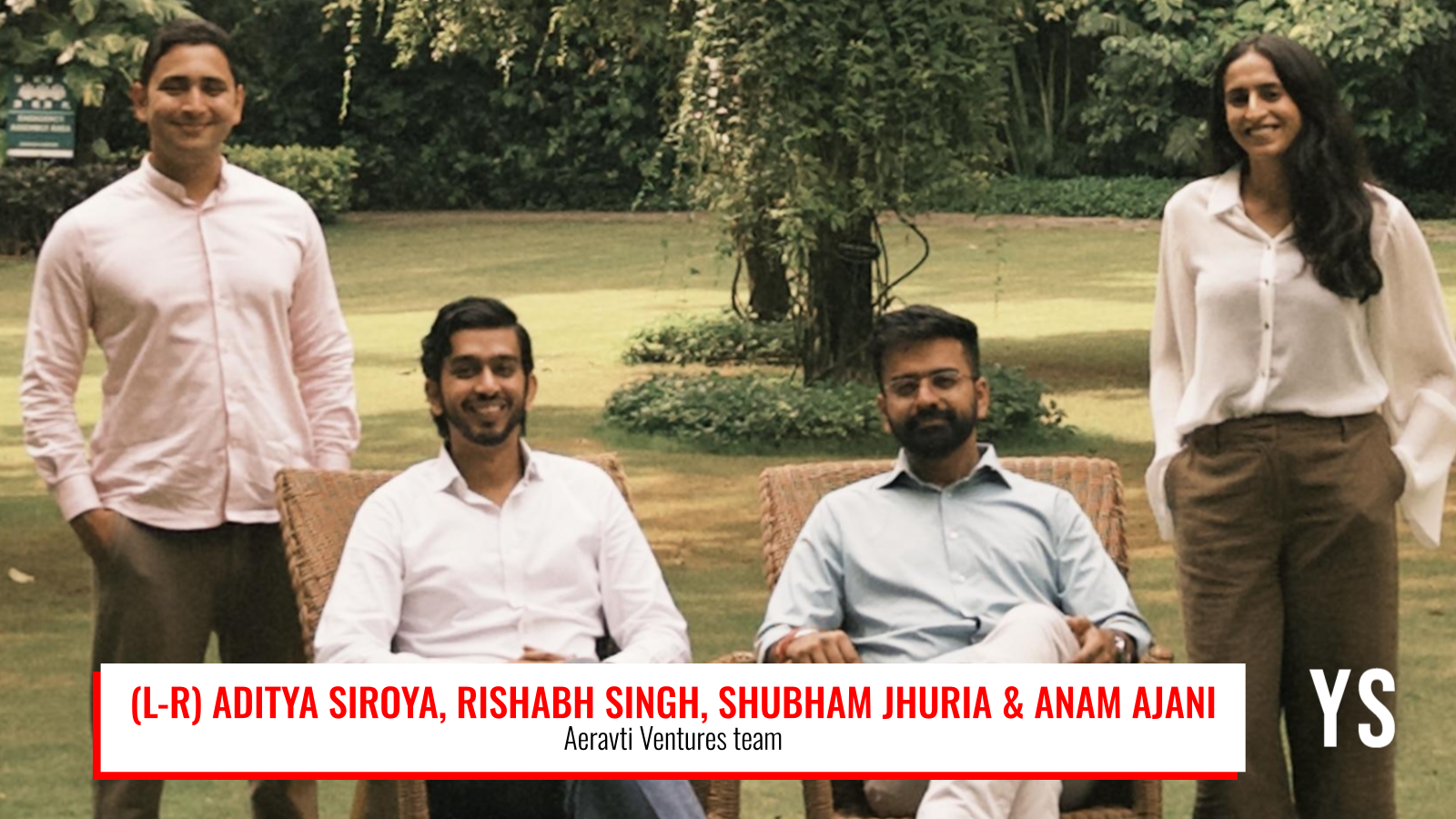
Aeravti Ventures launches Rs 300 Cr fund II
48 minutes ago

Business
Arbitrage funds: What drives returns and should you invest?
52 minutes ago
Editorial & Syndication Notice: This story has been syndicated or published by 360 NEWS in accordance with verified fair-use, official press dissemination, and original attribution protocols. All trademarks, photos, and referenced quotes remain the property of their respective owners. For editorial corrections, press inquiries, or rights notices, contact [email protected].

Comment
0Upholding journalistic discourse. No registration required.
No comments yet. Share your perspective!