

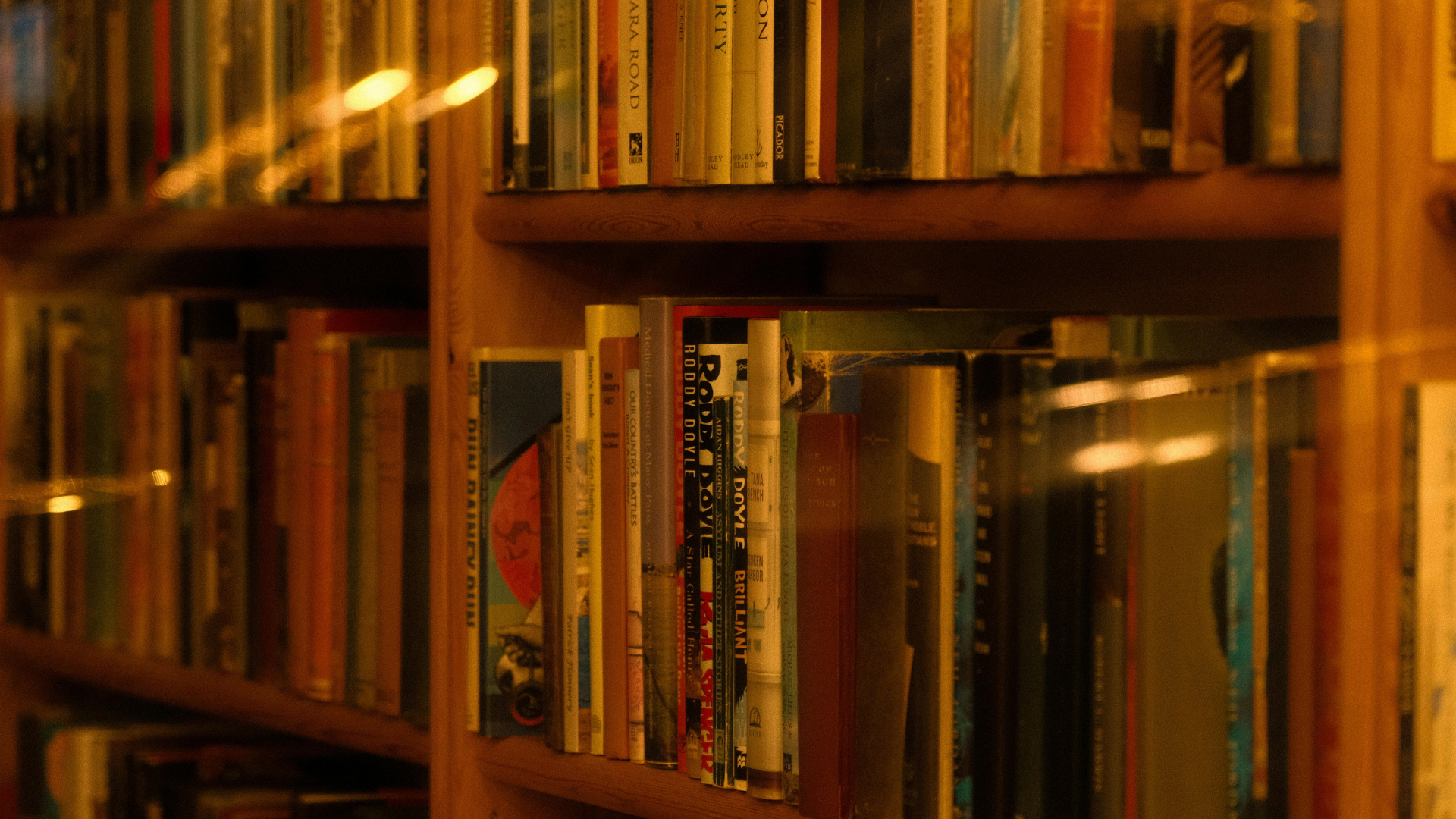

India's history is filled with royal dynasties, political conflicts, colonial struggles, cultural transformations and stories of extraordinary people. While history books document these events, historical fiction offers another way to experience them through fictional characters and imaginative interpretations of real events.
From the Mughal courts and the final days of the Sikh Empire to the British colonial period and the Partition of 1947, Indian historical fiction explores different eras through compelling storytelling. These novels combine historical settings with themes of love, ambition, identity, courage and survival.
Here are six must-read Indian historical fiction books that offer an engaging way to explore the country's past.
6 Historical fiction books that explore India's fascinating past
1. The Glass Palace by Amitav Ghosh
Set against the backdrop of the British invasion of Burma in 1885, The Glass Palace follows the lives of several families whose stories unfold across Burma, India and Malaya.
The novel begins with Rajkumar, a young orphan who witnesses the fall of the Burmese monarchy and the exile of its royal family. As the British take control, Rajkumar builds a new life through the timber trade, while his personal journey becomes connected with the lives of people affected by colonialism, migration and war.
Spanning nearly a century, the story explores the consequences of British imperialism, economic exploitation and political upheaval. Amitav Ghosh also examines how historical events shape individual identities and relationships across generations.
2. The Twentieth Wife by Indu Sundaresan
The Twentieth Wife takes readers into the world of the Mughal Empire through the remarkable journey of Mehrunnisa, who later becomes Empress Nur Jahan.
Born into a Persian family, Mehrunnisa grows up with ambitions that extend beyond the traditional expectations placed on women. Her life takes an unexpected turn when she meets Prince Salim, the future Emperor Jahangir. Their relationship develops over several years, eventually bringing her into the centre of Mughal political and royal life.
The novel explores palace politics, royal marriages, ambition and the challenges faced by women in a male-dominated society. It also offers a glimpse into the customs, traditions and power structures of the Mughal court.
Indu Sundaresan blends historical details with fictional storytelling to imagine the life of one of the most influential women in Mughal history.
3. The Last Queen by Chitra Banerjee Divakaruni
The Last Queen centres on Maharani Jindan Kaur, who rose to prominence as the wife of Maharaja Ranjit Singh and mother of Maharaja Duleep Singh, the last ruler of the Sikh Empire.
Set during the decline of the Sikh Empire in the nineteenth century, the novel follows Jindan's transformation from a young woman into a queen who becomes deeply involved in the political struggles of her kingdom.
After Ranjit Singh's death, the empire faces internal conflicts and growing British interference. Jindan fights to protect her son's position and preserve the independence of the Sikh kingdom. However, political conspiracies and colonial ambitions gradually change the course of her life.
The novel highlights the strength, determination and sacrifices of a woman who refused to remain a silent figure in history. It also explores motherhood, power, betrayal and resistance during a significant period in Indian history.

4. The Henna Artist by Alka Joshi
Set in post-independence Jaipur, The Henna Artist follows Lakshmi as she rebuilds her life after escaping an abusive marriage and establishes herself as an independent woman.
After arriving in Jaipur, she establishes a successful career as a henna artist, serving wealthy women from influential families. Her artistic skills and knowledge of traditional remedies make her a trusted confidante among the city's elite.
However, Lakshmi's carefully built life is disrupted when her younger sister, Radha, unexpectedly enters her world. Their reunion brings family secrets, difficult choices and emotional complications that threaten the independence Lakshmi has worked so hard to achieve.
Through its detailed portrayal of post-independence Jaipur, the novel explores class differences, women's independence, social expectations and the changing position of women in Indian society.
5. The Book of Everlasting Things by Aanchal Malhotra
Aanchal Malhotra's The Book of Everlasting Things is a historical novel set against the backdrop of the Partition of India in 1947.
The story follows Samir Vij, a young Hindu apprentice in his family's perfume business, and Firdaus Khan, a Muslim girl from Lahore. Their lives become intertwined through their shared affection and growing relationship.
As political tensions rise and the Partition divides the subcontinent, the two find themselves caught in circumstances beyond their control. The division of their homeland brings displacement, separation and uncertainty into their lives.
The novel uses the world of perfumes, memories and sensory experiences to explore how people hold on to their identities, relationships and cultural roots during periods of immense change.
It also examines the emotional consequences of migration and the lasting impact of Partition on families and future generations.
6. Train to Pakistan by Khushwant Singh
Train to Pakistan is one of the most recognised Indian novels about the Partition of 1947. Written by Khushwant Singh, it explores the human consequences of the division of India through the experiences of people living in a small Punjab village called Mano Majra. Before Partition, Mano Majra is home to both Sikh and Muslim communities who have lived together peacefully for generations. However, as the country is divided, violence and fear gradually enter the village. The arrival of trains carrying dead bodies from across the newly created border changes the atmosphere completely. The villagers are forced to confront religious tensions, political uncertainty and difficult moral choices.
At the centre of the story are Juggut Singh and Iqbal, two men whose lives become connected with the unfolding tragedy. Their experiences reveal how ordinary people are affected by decisions made during moments of political upheaval.
Rather than focusing only on political leaders and historical events, Khushwant Singh presents Partition through the lives of ordinary individuals.
Final thoughts
Historical fiction allows readers to explore the past beyond dates, battles and political events. Through personal experiences, relationships and fictional characters, these novels offer a deeper understanding of the people and societies that shaped India's history.
Whether it is the grandeur of the Mughal Empire in The Twentieth Wife, the courage of Maharani Jindan Kaur in The Last Queen or the heartbreaking realities of Partition in Train to Pakistan, each book presents a different perspective on the country's past.
For readers looking to explore Indian history through literature, these six novels are a wonderful place to begin.




Comment
0Upholding journalistic discourse. No registration required.
No comments yet. Share your perspective!