

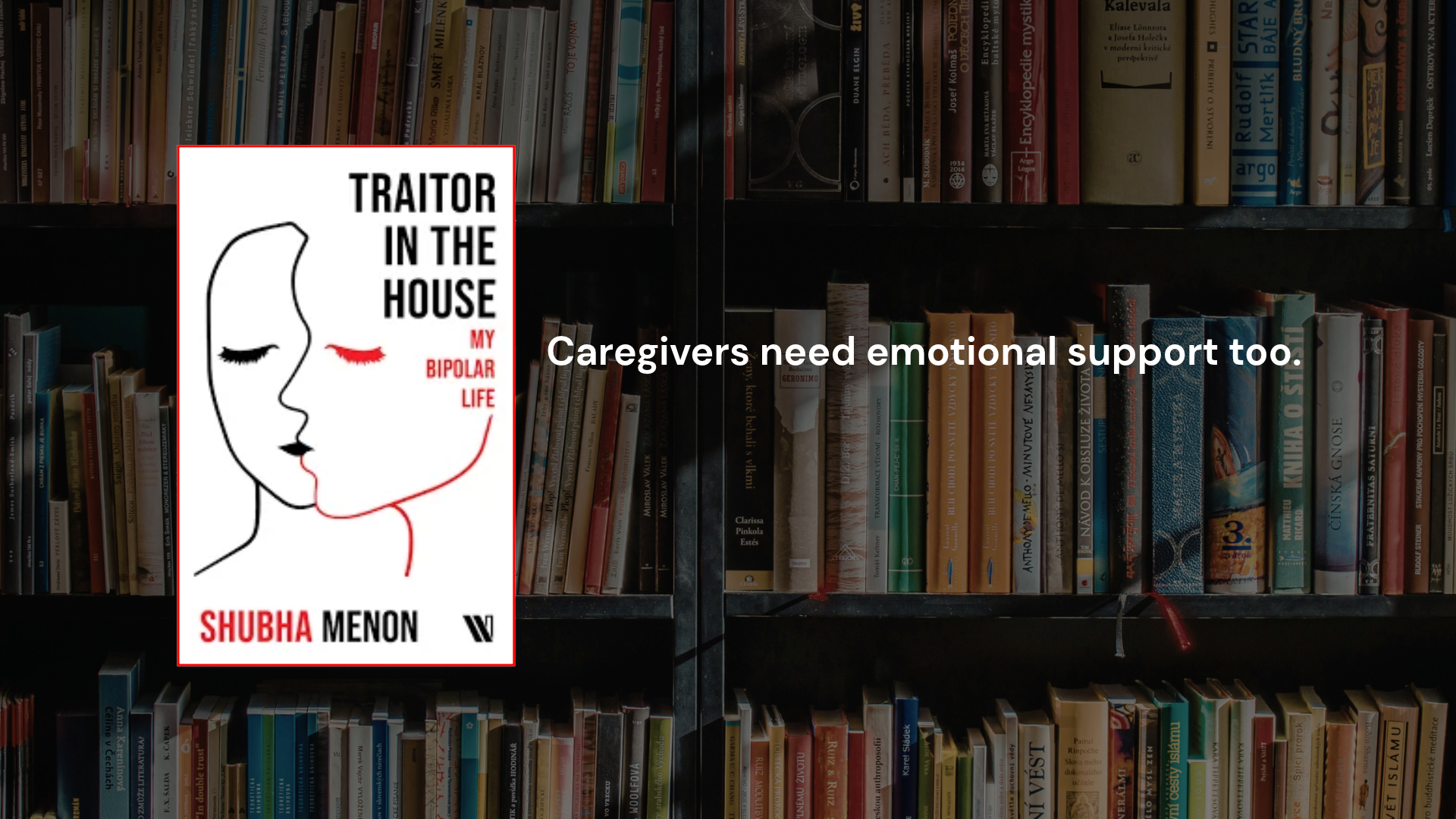

Traitor in the House: My Bipolar Life by Shubha Menon is a deeply personal memoir about growing up in a family affected by bipolar disorder. Through experiences of childhood trauma, caregiving, denial and eventual diagnosis, Menon explores how untreated mental illness can shape relationships and affect generations.
The book moves beyond the experiences of one individual to examine the emotional realities of families living with mental health challenges. It also explores how understanding, acceptance and self-awareness can help people confront painful experiences.
5 Meaningful lessons from Traitor in the House by Shubha Menon
1. Mental illness should be understood, not judged
One of the most important lessons from the memoir is that mental illness should never be treated as a personal failure or a character flaw. Through her mother's experiences with bipolar disorder, Menon shows how a lack of awareness and understanding can make an already difficult situation more painful for an entire family.
The book highlights the importance of recognising mental health conditions, seeking professional help and replacing judgement with compassion.
Lesson: Understanding someone's struggles is the first step towards treating them with empathy rather than blame.
2. Childhood experiences can shape adult life
The experiences we have during childhood can influence how we think, behave and build relationships as adults. Menon reflects on growing up in an unpredictable family environment and how those experiences affected her sense of safety and emotional well-being.
The memoir demonstrates that painful childhood memories do not simply disappear with age. They can influence how people respond to stress, relationships and difficult situations later in life.
Lesson: Acknowledging childhood trauma is important because healing often begins with understanding how the past has shaped the present.
3. Unaddressed trauma can pass through generations
The book explores how the effects of trauma can extend beyond one individual and influence future generations. Menon's family history reveals how unresolved emotional pain, untreated mental illness and unhealthy coping patterns can affect relationships between parents and children.
However, recognising these patterns creates an opportunity to approach them differently. Understanding family history can help individuals identify harmful behaviours and make conscious choices to avoid repeating them.
Lesson: You may not be responsible for the pain passed down through your family, but you can take steps to prevent harmful patterns from continuing.
4. Caregivers need emotional support too
Families supporting someone with a serious mental health condition often experience emotional exhaustion, fear and uncertainty. While their attention naturally focuses on the person who needs care, their own emotional well-being can easily be overlooked.
Menon's account highlights the complicated realities of growing up in a caregiving environment, where love, responsibility, fear and frustration can exist together.
It reminds readers that supporting someone through mental illness should not mean ignoring their own emotional needs.
Lesson: Caring for someone else should not require abandoning yourself. Caregivers also deserve understanding, support and space to heal.
5. Acceptance can become the beginning of healing
One of the most powerful aspects of Menon's journey is her gradual movement from fear and denial towards diagnosis, understanding and acceptance.
The memoir shows that confronting painful experiences is not easy, but acknowledging reality can make it possible to seek help and develop healthier ways of coping.
Acceptance does not mean approving of everything that happened or forgetting the past. It means recognising what happened without allowing it to define every part of your future.
Lesson: Healing begins when you stop running away from difficult truths and start understanding them with honesty and compassion.

Final thoughts
Traitor in the House: My Bipolar Life is more than a memoir about living with bipolar disorder. It is an exploration of family relationships, childhood experiences, generational trauma and the complicated journey towards understanding oneself.
Through her personal experiences, Shubha Menon encourages readers to look at mental illness with greater empathy and recognise the importance of addressing emotional wounds rather than keeping them hidden.
The book leaves readers with an important reminder: understanding the past does not change what happened, but it can help us make different choices about the future.





Comment
0Upholding journalistic discourse. No registration required.
No comments yet. Share your perspective!