

Many households seek affordable alternatives to commercial cleaning supplies. Several common kitchen staples offer effective options for everyday tasks when used appropriately. These ingredients can address specific cleaning needs without introducing harsh chemicals.
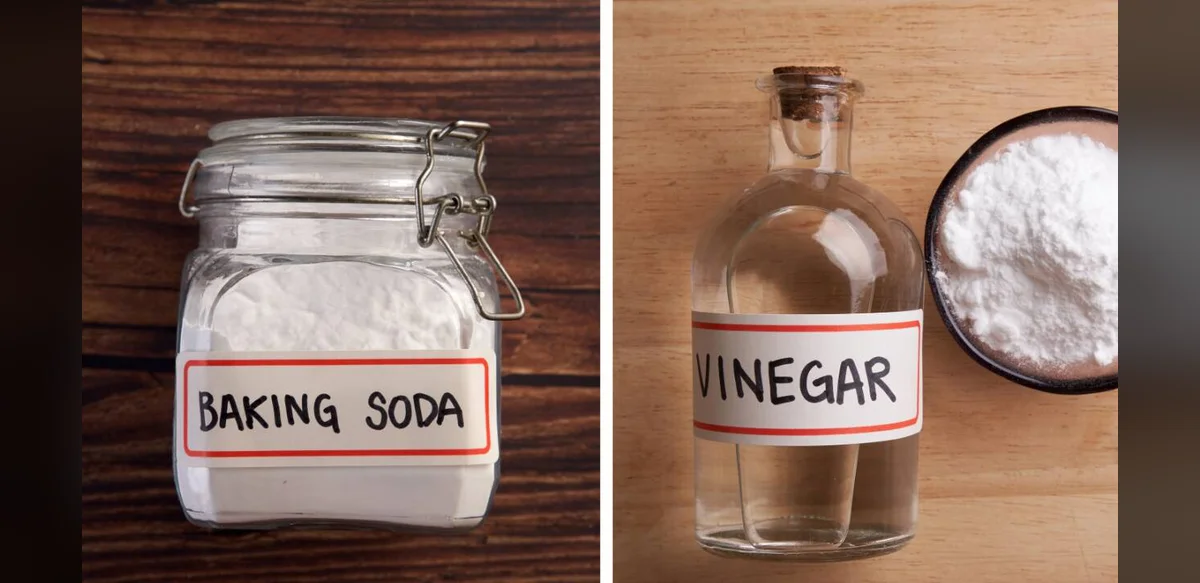
Baking soda serves as a mild abrasive suitable for scrubbing surfaces. It helps remove stains from sinks and countertops when mixed with water into a paste. Users apply it to ovens or refrigerators to neutralize odors. The powder absorbs moisture and can be rinsed away easily after application.
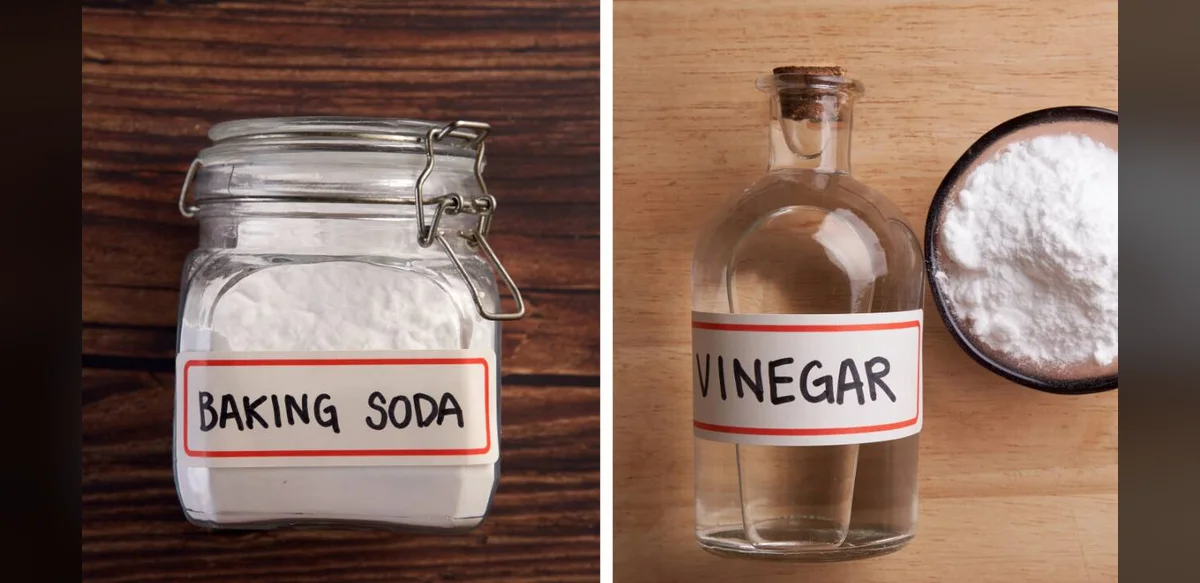
White vinegar acts as a natural disinfectant in many situations. Diluted with water it cleans glass and mirrors without leaving streaks. It breaks down mineral deposits in kettles and coffee makers. The acidity also helps cut through grease on stovetops when allowed to sit briefly before wiping.
Fresh lemon juice provides citric acid that tackles soap scum and hard water marks. It brightens copper or brass fixtures when combined with salt. The scent leaves rooms smelling fresh after use on floors or tiles. Squeezed halves can scrub wooden cutting boards to remove food residues.
Table salt functions as a gentle scrub for cast iron pans and wooden surfaces. It absorbs spills on carpets when sprinkled and left overnight. Mixed with vinegar it creates a paste for cleaning grout lines between tiles. The granules add friction without scratching delicate materials.
Olive oil polishes wooden furniture and removes sticky residues from labels. A small amount on a cloth restores shine to stainless steel appliances. It conditions cutting boards when rubbed in after washing. Users combine it with vinegar for a simple wood cleaner that nourishes surfaces.
These methods work best on nonporous materials and require testing in small areas first. Proper dilution prevents damage to certain finishes. Results vary depending on the surface and the severity of the stain. Regular use maintains cleanliness while reducing reliance on store bought products.
Safety considerations include wearing gloves during application and ensuring good ventilation. Children and pets should stay away until surfaces dry completely. Store mixtures in labeled containers away from food items. Over time these approaches contribute to lower household expenses and simpler routines.
Environmental benefits arise from decreased packaging waste and fewer synthetic additives entering water systems. Many people report satisfactory outcomes for light to moderate cleaning jobs. For heavy duty tasks commercial options may still prove necessary. Experimentation helps determine the most suitable combinations for individual homes.
Continued interest in these techniques reflects broader trends toward practical home solutions. Educational resources often highlight ratios and application techniques for optimal performance. Consistency in use yields the best long term results across different room types.





Comment
0Upholding journalistic discourse. No registration required.
No comments yet. Share your perspective!